LYMPHOMAtion

13 Dec

Protest of Medicare Ruling: patient-driven

ADDRESSING PERSPECTIVES THAT QUESTION OUR CREDIBILTY

Karl SchwartzPatients, caregivers, loved ones, friends, scientists, non-profit groups have made remarkable progress in bringing a devastating CMS ruling to the attention of our representatives in Washington, and to the media.

See for background: Citizen Petition and Overview of CMS ruling that will deny or limit access to life saving treatment - Radioimmunotherapies (RIT) - for lymphomas  

The overwhelming majority of our represenatives have expressed thanks for the background information we’ve provided; many have taken a leadership role, promising to support our request to freeze payment rates for RIT to allow CMS time to base rates on accurate data and appropriate classifications …

… including Senators:  Stabenow, Cantwell, Kennedy, Mukulski, Reed, and Specter.  

Dear Senators, (named and unknown) we THANK YOU for representing us! 

Then this, an email describing one staffer’s belief that our protest is driven by drug company manipulation of patients:

“They are suspicious that patients are being whipped into a frenzy by drug companies predicting doom and gloom if they don’t get their price and they get a lot of form correspondence that’s prepared by the companies themselves to heighten their suspicions.  I told him I didn’t think that was the case with our listserve”

OUR REPLY:  

Thank you for sharing this cynical perspective, which provides an opportunity to address it and to show that it’s not based on knowledge of the facts, or even familarity with how the system of drug development works.

Some of the many factors that influence costs of new therapies, and, in this case, radioimmunotherapies include:

(1) Antibodies (biologics - proteins derived from cells) are more expensive to make, store and deliver. Cost of rituxan, a naked antibody, could be used to estimate this cost of this component - which is also high.

(2) Presumably, the sponsor must pay licensing fees to those scientists who own patents on the technologies that make this therapy possible.

(3) As Dr. Kaminski explained in an ABC news interview, for RIT, the antibody must be coupled with a radioisotope on a patient-by-patient basis and shipped/handled with special precautions.

(4) Everyone handling and administering the therapeutic and compounding it must make a living. 

Regarding: “He [the staffer] was of the opinion that the claimed cost of $26K was excessive (trying to recoup development costs), but that the number that would eventually be settled upon would be more than the $16K they approved in their rule, but  probably less than the $26K demanded by GSK. 

(5) Excess? Recouping development costs is vital to how our system works. If companies could not recoup development costs they could never invent novel effective cancer therapies. This is the reason patent law grants exclusivity (temporary monopoly status) to inventors of treatments for cancer and other medical conditions. 

Regarding: He [the staffer] thinks it is likely that CMS did not follow their own rules in setting the rates, but was fairly cynical about how that happens all the time.  ” 

(6) Cynicism on this account is understandable.  However, we must ask: why is this occurring for no other cancer drug? Why did ASH and ASCO - two respected clinical societies also protest the CMS rates for RIT?  Why did CMS use the Mean Cost method for RIT but not for any other cancer drugs?   Why did CMS missclassify RIT components as diagnostic, despite comments from many experts that this was an error?   Why did CMS disregard the many warnings of the consequence of the cuts to patients? 

(7) Ironically, RIT is cost effective relative to other treatments - use of RIT will save money,
underuse will be more costly.

See http://tinyurl.com/35ttlm  and http://tinyurl.com/2vub2y  and
http://www.lymphomation.org/NMC-radioimmunotherapy.pdf  
regarding cost effectiveness of RIT.

Do we need to point out that patients are not asking for charity?  That a treatment that returns your life to normal, allows you to nuture and provide for your family, and to contribute in other ways to society is both essential to patients AND cost effective.

Furthermore, it’s our understanding that the cost to the sponsor for providing RIT is many magnitudes higher than the for chemotherapy drugs.  We will endeavor to provide sources for this information shortly.

Also, there are not one, but two, recently approved RIT therapeutics on the market, and thus competitive market forces are already at work in controlling prices.

Regarding: “They are suspicious that patients are being whipped into a frenzy by drug companies predicting doom and gloom if they don’t get their price and they get a lot of form correspondence that’s prepared by the companies themselves to heighten their suspicions. ”

(8)  In this case, Patients Against Lymphoma did its own independent analysis of the CMS ruling and data, and it’s finding were consistent with ASH, ASCO and all experts that commented on the ruling in the proposal phase.

See our Letter to CMS submitted in 9/11/2007: 
(which, was done independently by direct analysis of the CMS raw data)

We proudly note that Patients Against Lymphoma is committed to providing evidence-based information, independent of health industry funding …. that we have never accepted any monies from the industry and therefore have no conflict of interest.  We have a proven record of supporting evidence-based standards of evidence for drug approvals.

In this case, Patients Against Lymphoma — following an independent review of the CMS proposal and raw data — has participated (but not independently - with the help of other non-profit groups) in driving patient action about this ruling, and therefore the charge that patients have been manipulated by the drug company is false. 

Finally, I believe that patient anger and fear in this instance is appropriate. The concern is validated by public comments made by experts in the field, such as Dr. Oliver Press who wrote:

“I fear that these products will simply not be available for treatment of non-Hodgkin lymphoma after the new year since the providers will lose money with every administration of the drugs and companies making them will cease production. The payment structure proposed for 2008 w ill not produce savings to the Medicare program in the long run, and it will certainly not ensure access to quality healthcare.”

We think the comments made by Dr. Press about say it all.  

Sincerely,

Karl  Schwartz

President and co-founder, Patients Against Lymphoma
Patient Consultant to the FDA/Oncologic Drug Advisory Committee (ODAC)
Participant: NCI Progress Review Group for Blood Cancers (LMPRG)
Participant: Biospecimen Access and Ethical, Legal, and Policy Issues Workshop (ELP)
Participant: Custodianship and Ownership Issues in Biospecimen Research Symposium

Patients Against Lymphoma
www.lymphomation.org
Evidence-based information on lymphomas and treatments, independent of health industry funding


29 Nov

Non-Myeloablative Transplant - Marson

Please scroll to bottom for latest day (currently Day 205 - May 4, 2008)

Day 47 - Nov. 28

Prior days were accidentally deleted.  The new site address is www.lymphomation.org/wordpress/?p=16 (the only change is the last digits from “10″ to “16″ - please be sure it is a lower case “p”).  A transplant photo is at the second page of  www.marsonphotos.homestead.com (under “Transplant” tab).

Day 49 - Nov. 30

Day 49 - seven weeks since the transplant.

For first-time visitors, I was diagnosed with a low grade non-Hodgkins (follicular cleave-cell) lymphoma while living and working in Beijing, China in 1995.  First chemo was in 1999, followed by vaccine, various trials and more chemo.  The lymphoma transformed to large diffuse cell at the end of 2002, followed by more chemo and an autologous bone marrow (stem cell) transplant at SCCA and UofW in Seattle in 2003 with high-dose radio-labled antibody (high-dose Bexxar) and Cytoxin as conditioning.  In remission until a spot appeared in my left femoral head in October - December 2006.  The femur fractured in May 2007 and was eventually partially replaced with a prosthesis.  An occurence in my left humeral head was treated with radiation in August.  More chemo and radiation and then a non-myeloablative bone marrow (stem cell) transplant at Stanford with ATG (rabbit serum) and Total Lymphoid Irradiation as conditioning.  Received brother Dean’s cells on October 12.  Currently taking immunosuppresant and other drugs and supplements, but doing very well.  Engraftment test at Day 26 showed 93% engraftment.  Yesterday’s blood test showed some blood counts below normal, but everything within expected and acceptable range.

Day 54 - Dec. 5 

Check up day-before-yesterday (Monday) was fine.  We received a schedule to taper off cyclosporin by reducing the total of daily doses at the rate of 25 mg each week.  That is, the dose drops 25 mg per day on Friday and remains at that level until the next Friday.  Starting from the current dose of 400 mg per day, at such taper rate it will be late-March before the medication is completely stopped. 

Otherwise, no news is good news.

Day 55 - Dec. 6 

Blood tests all acceptable today and vials of blood were also taken to for a second check of engraftment - the result should be available in two to three weeks.  According to normal monthly rotation a new doctor took charge of the transplant section.  He remarked that I seemed to be doing remarkably well for someone who had been through so much chemo and radiation, which I attribute to the prayers and hardwork of my family, friends and caregivers (and probably some helpful genes from my parents).

At my request, a needle biopsy will be taken next week of a small swelling under the skin near the scar tissue on my left leg.  The swelling is probably of no consequence, but it pays to be careful after exposure to high dose radio-labled antibody.  Certainly all of my epithelial tissue, including my skin, was killed in the 2003 transplant and sloughed off in one way or another over time (I believe the outermost layer of skin is composed of dead cells anyway but when that wore off after the first transplant, it was like having baby skin for several days).   

Day 59 - December 10 

Blood counts are good except for creatinine, which is somewhat high - probably from the combination of Cyclosporin (Gengraft) and Bactrim on the weekends.  Biopsy of swelling on leg taken today.

Day 62 - December 13

Blood counts were steady, but some unfortunate news regarding the swelling.  It is an extra-nodal recurence of lymphoma.  A PET-CT scan and bone marrow biopsy have been scheduled for tomorrow.  Depending on the outcome, there are a number of steps that can be taken to encourage the grafted immune system to react to the lymphoma.

Day 63 - December 14 

PET-CT and bone marrow biopsy (pelvis) today - should know the results by Monday.  My bloodcounts are, if anything, better today.  The Cyclosporin taper was speeded up to three weeks instead of three months to encourage the grafted immune system to become more active against the disease.  I should be off the drug by early January, but of course that increases the possibility of graft-v-host disease.  I heard the doctor say that they may also radiate the spot(s) where the lymphoma has recurred or inject some agent into a nearby lymphnode, both treatments would be for purposes of stimulating an immune reaction - I should speak with him in more detail on Monday.

Day 66 - December 17

Good news!  The preliminary results of the PET-CT scan and bone marrow biopsy show that the lymphoma is confined to two spots on my leg.  Radiation should be started on them this week, not so much to cure them as to kill enough to get the grafted immune system excited with the debris from cancer cell death so it will increase its attack on the active lymphoma.  The doctor may also inject CpG into the tumor if he can get permission to do so.  The Cyclosporin was also reduced to 175 mg. starting today.  Blood counts are good. 

Day 68 - December 19

Celebrated our 19th wedding anniversary yesterday.  We saw the radiation oncologists this morning who confirmed there are only two spots, but they are growing rapidly.  The oncologists intend to apply a fairly high dose of radiation over three weeks to kill the lymphoma.  Fortunately the spots appear to be outside the field of the original radiation, but they are very close to it and the radiation exposure will be calibrated to avoid delivering any more to the already radiated area of my leg.  I had a CAT scan and tatoos applied this afternoon to prepare for the radiation which will start on Friday. 

Day 70 - December 21

It’s the Winter Solstice soon and the sun will start climbing higher from the horizon.  In December 2002 when the lymphoma transformed, it was not clear that that I would see the next Christmas - with the help of family, friends and health care professionals, and the grace of God, I will have seen five when Christmas comes in four days.  Thank you. 

My blood counts were good yersterday, and I received the first dose of radiation today (Friday) .  The plan is to coninue on Saturday and Sunday, and then every business day for several weeks in order to completely eliminate the recurrences in my leg. 

The recurrences both occur near incision sites where my leg was operated on and might represent cells that were moved inadvertantly from the femur to such sites when the first operation was done in May.  At that time, I had received only 7 out of 23 fractionated radiation doses.   

The cancer cannot be that easily defeated and will probably remain in my system.  However, reducing the tumor burden should both stimulate an immune reaction and enable the engrafted immune system to gain control over the cancer.  The transplant doctor pointed out that the fact there are no other recurrences showing up may show the effect of the new immune system.

Day 73 - December 24

Blood counts good and the growth of the two tumors seems to have stopped, and they should start shrinking.  The doctor assured me that no other occurences had shown up and the radiation should be effective.  The tumors have been surrounded by an apparent bruise - a good sign that the grafted immune system is fighting them.  One could look at it as a kind of boot camp - the enemy has attacked again and the radiation is softening it up so the grafted cells can learn how to recognize the enemy and fight back.  Once the immune system gets control, I should be cured (to the extent that cancer is ever cured).  If the tumors had occurred near an internal organ, the prognosis would not have been nearly so good.

The doctor indicated I probably have a very small amount of graft v. host disease (rash) around my neck and chest and therefore did not decrease the Cyclosporin further.  The GVH is a good sign, but the doctor said if the Cyclosporin was completely discontinued now, I could suffer from very severe GVH.

The engraftment results for day 56 are complete and are broken down by type of cell and location (blood or marrow).  They range from 91% to 99% engrafted - very good results.

 All in all a lot to be thankful for.

 Merry Christmas and a Happy New Year. 

Day 76 - December 27

The radiation continues, although I will have the weekend and New Year’s Day off.  The tumors remain hard and about the same size - difficult to tell what is happening.  Blood counts are good and the Cyclosporin dose was reduced to 100 mg./day, to be ended altogether soon.

Day 80 -  December 31

Best wishes for health in the New Year.

The lymphoma spots are very slowly shrinking and I am concerned the radiation may not be effective to completely eliminate them in 15 doses.  If they started from cells removed from my femur at the time of the first operation in May, then they have already been exposed to 14+ Gys. of radiation and survived.

Dr. Weng was on duty today, and we discussed adding CpG, Avastin or Recentin, or decreasing Cyclosporin.  He did not think the first two options would be available but indicated he would discuss with Dr. Levy.

Everything else going well. 

Day 83 - January 3

Made it another year.   

The lymphoma spots are shrinking slightly.  I had a discussion with the doctor supervising the ITA at present.  It was detailed and somewhat heated at times, but it seems the CpG and other alternatives are not available to supplement the radiation.  In any case the radiation has worked in the past and should work again.  All else is going well and I am tolerating the low doses of Cyclosporin (100 mg. per day).

Day 87 - January 7 

The physician’s assistant today said I should be able to stop using the mask and start eating regular food on about day 90 (which is very soon).  Sometimes instructions change at the last minute, but we are very much looking forward to this change.  However, I will have to continue on Cyclosporin for at least a month or two, and will have some lifetime restrictions, such as staying out of the sun.  

The lymphoma spots are shrinking.  We are praying that they will be finally gone and the lymphoma will not appear anywhere else.

Day 90 - January 10

Yesterday, the radiation oncologist (Dr. Hancock) examined the lymphoma spots and determined that they had not reacted (reduced) enough.  After speaking with Dr. Weng, he decided to give me an additional week of a different kind of radiation (electrons v. high energy X-rays) as a “boost” to the radiation treatments.  He was also present as the spots were “mapped” this morning in preparation for treatment and had the machine adjusted slightly.  His personal attention to detail was comforting.  For whatever reason I have had a bad feeling about these spots for about two weeks.  Hard to explain the source of the feeling, but it has been affecting me deeply. 

A new lymphoma doctor is in charge of ITA, following normal monthly rotation.  I no longer have to wear a mask, except when in crowds or when the wind is blowing and stirring up leaf litter or dust.  I can also gradually transition to a normal (non-low microbial diet), and the cyclosporin was reduced to 50 mg. a day.  My need for magnesium has been decreasing with the reduced cyclosporin, but I seem to need a potassium supplement at each visit.  I have some minor itchiness around my neck but no GVH serious enough to prevent to reduction of cyclosporin.

All in all, things are going well.  Thank you for your continued support and prayers. 

Day 97 - January 17

An eventful day today: 1) last day of radiation, 2) another bone marrow biopsy, and 3) probable GVH on my neck and shoulders.  The lymphoma spots have shrunken to small hard disks, which may be scar tissue.  I would appreciate prayers that the bone marrow biopsy and PET scan (which I will have in a week or two) come up clean (show no obvious cancerous activity).  The probable GVH looks like hives.  It is a good sign in that it shows the grafted immune system is active, but it can be deadly if it gets out of control.  For now, the doctors are controlling it with a topical steroid cream which seems to work well.  They are also continuing the cyclosporin at the same level, and, based on my own decision, I am cutting out irritating foods with caffeine, hot spices, a lot of sugar, etc.  Of course I still need to avoid sunlight and crowds, although I attended church for the first time (with my mask on).

Except for some itching, I feel great.   

Day 100! - January 20

Graduation day.  This is the day most transplantees (many of whom come from out of the area) are transferred back to their home clinics.  Once again I would like to thank my family, friends and caregivers for their prayers and support in helping me reach this milestone. 

The GVH continues but seems to be controlled by a prescription steroid ointment.

Day 101 - January 21

My blood counts are a little low but we got great news from the bone marrow biopsy:  “The current bone marrow analysis reveals no morphologic or immunophenotypic evidence for residual/recurrent lymphoma.”  Tomorrow I will have the second major test, a PET scan, and should know the results by Friday or Monday.

The GVH continues to be troublesome (itching, mild rashes, and a few dry spots on skin), but seems to be well controlled by the steriod ointment.  Oddly enough, the most troublesome sites are near, but not at, the two main sites where I received radiation. 

Day 105 - January 25

Today was our first day in clinic (instead of ITA), and we met with Dr. Weng and Karen, a physician’s assistant who had previously examined me in ITA.  There were two pieces of good news and some bad news.  The first good news (actually great news) was that the PET scan was clear, so neither the PET scan nor the bone marrow biopsy show any sign of disease. 

The second good news was that the rash I have been dealing with (and which has been spreading) does not appear to be GVH, but rather an allergic reaction as evidenced by high eosinophils.  We will try and treat it with over the counter antihistomines and Pepcid.  Definitely easier to treat the GVH.

The bad news (which is not actually bad, but somewhat unexpected), is that the graft v. lymphoma effect has not kicked in yet.  No tests were done, but it apparently does not start to act until 4 1/2 to 5 months after the transplant.  Since the kind of lymphoma I have is systemic, it is undoubtedly still in my body and could recur.  The rationale for the allo bone marrow transplant is to take advantage of the graft v. lymphoma effect to keep the lymphoma in check and keep me in a permanent remission.  As there is some risk that between now and the 5 month mark (March 12) the lymphoma could recur, I will start Rituxin X 4 next week.  I have had Rituxin many times before and it has always been easy to tolerate.

Day 112 - February 1

My counts were lower today and the neutrophils dropped into neutropenic territory (less than .5 or 500).  They were .48 or 480 and I received a shot of Neupogen to stimulate white blood cell production.  The doctor said he didn’t know why the drop happened, but it is not uncommon at around 100 days post-transplant.

It has been a very itchy week.  The rash has spread over most of my body, but I am taking Benedryl every 4 to 5 hours to keep it under control.  I am also taking Pepcid and now Claritin, all of which are blocking H1, H2 or similar receptors.  Also, I am applying a cortisone cream.  All of these together keep the symptoms (itching, tingling) to a bearable level.

They also infused Ritixun today at ITA.  It took a long time, but I had no noticeable symptoms.

Overall my current profile seems good - it demonstrates the grafted immune system is activated while I have not yet had to take Prednisone.

Day118 - February 7

Another round of Rituxin today.   I hestitate to think of the cost of Rituxin infusions alone over the years — probably $2 or $300,000.  However, it is a tremendous improvement over regular chemo in terms of side effects.

 My blood counts have come up (neutriphils over 2.0) and rash is much improved.  Still not sure what caused it — might be shellfish, although my donor is only allergic to scallops, which I have carefully avoided.

Much to be thankful for.

Day 125 - February 14 

Rituxin again today, together with potassium.  Counts slightly lower.  Eosinophils down to 7 and rash largely subsided, but still taking some H1 and H2 blockers (e.g., Benedryl).  Working part-time.  Glad to be here!

Happy Valentine’s Day.

Day 132 - February 21 

Last Rituxin treatment today and it was uneventful (no news is good news).  I saw Karen the PA; she checked the former cancer spots on my leg, which are now hard disks, probably scar tissue.  My next appointment is scheduled for March 21st, with a PET-CT a few days before.  I have some continuing rash and an elevated eosiniphil count which is kept under control with antihistimines and other blockers, but otherwise I am doing very well. 

The next goal is to have the graft v. lymphoma take effect before the lymphoma returns.  Based on the doctor’s comments, that should be five months following transplant, or March12, but this is largely an arbitrary date.  The ”proof of the pudding” will be that the lymphoma does not appear in a new location and that the March PET scan is clean. 

Day 136 - February 25

As a break from the medical new, a plum tree has been blooming in a nearby street for several weeks, and trees near my office are already starting to drop their pink (cherry or ornamental cherry?) blossoms.  A big flock of black and white ducks of some sort were milling in a large group in the Bay and wondering off across the water in pairs.  We are still getting rain storms but Spring has arrived in the Bay Area. 

Day 149 - March 9

I am continuing on 50 mg. Cyclosporin (Gengraft) and anti-histamines.  The latter keep the itching under control, but it has intensified lately around the corners of my jaw, just below each ear.  This was a lymphoma site several years ago.

New picture of home and office are posted on the website (address above). 

Day159 - March 19 

A sore spot developed in the side of my throat on Thursday — tender inside and outside but no lump.  I was concerned that it might be a recurrence of cancer, thyroid cancer or similar problem.  Discussed with the doctor by phone on Monday and he said it is probably GVH.  PET scan yesterday and I will get the report on Friday when I have a doctor’s appointment.  Dr. Weng examined my skin (some red spots) and throat yesterday and prescribed prednisone, 60 mg. for three days, then 40 mg. for three days and so on.  Otherwise things seem to be going well.

Day 162 - March 22 

Had a PET-CT scan on Tuesday and it was clear.  Praise God and thanks for your prayers and good wishes.  The sore throat was apparently GVH and I also developed a few dry, red spots on my jaw near each ear and in a few other places.  Dr. Weng prescribed prednisone, three days at 60 mgs., three days at 40, working down to three days at 10.  On 40 now. Still on 50 mgs./day of cyclosporine, but apparently no need for anti-histimines while on predinsone.

The doctor also recommended another round or Rituxin three months after the first round, and perhaps later rounds every three to six months for a while.

The weather is beautiful in Palo Alto these days - blue skies and green hills with lots of trees taking turns flowering, California poppies, and other trees leafing out.  I walked for 1/2 hour uphill and dowhill today without a cane, the uphill was a bit of a stretch, but it felt good.

Day 168- March 28

Down to 10 mg. of prednisone a day starting tomorrow.  Predinsone seems to be a common treatment for lymphoma — at least I have had a lot of high, short-term doses over the years.  Usual problems (mainly when dosages are decreasing) include short temper, distrubed sleep pattern, feeling emotional, occasional tingling and numbness in exteminities, but also food tastes really good and sometimes more energy than usual.  I think I will write an essay called “Enjoying Prednisone”.  Why not look at the bright side as long as one has to go through it so often?

We went on vacation to Southern California — Joshua Tree National Park and the Sky-lift near Palm Springs.  I took precautions like buying UV resistant clothing, using lots of sunscreen and avoiding crowds, and it seems to have worked out.  We had a great time and will put up some pictures on the website soon.  It was wonderful breathing big lungfulls of the clear desert air near sundown with a pleasant breeze ruffling the pinyon pine branches, and a nice contast to days last summer and fall lying when I was lying in a hospital bed.

Day 175 - April 4

It has been an odd week.  After the prednisone ended last Sunday, I experienced, as expected, low energy, short-temper and emotional swings.  However, I also developed symptoms like the onset of flu — muscle aches, stomach upset, sinus aches, tiredness and disturbed sleep patterns, with a few transient fevers.  It was as if the white cells were sending out cytokines and other signals to prepare the body for an attack, but then upon closer examination said “sorry guys, back off.  It was a false alarm”.  And then they start the alarm all over again a few hours later.  Perhaps it is part of Dean’s cells adjusting to my body and my body adjusting to his cells.  I have spent a lot more time in bed but don’t feel all that bad — nothing like a heavy dose of chemo, for example. 

Day 184 - April 13 

The six month point!  The pains mentioned above are generally gone, but I have a large sore in my mouth, and soreness on one side of my throat.  A small price to pay as long as the lymphoma doesn’t return.  I had a few tinges under my arms, a typical lymphoma site, but they seem to have gone away.  Probably just overly nervous, as cancer survivors are wont to be.  I am back at work on about a 1/3 schedule.  Trees have burst out in leaves and different kinds of flowers come and go.  The temperature was well over 80 yesterday - a lot of things to enjoy around Palo Alto.

Day 191 - April 20

I saw Dr. Weng on Friday.  My blood counts are good, mild GVH in my mouth that comes and goes.  He agreed to decrease my Cyclosporin to 50 mg. every other day.  He also tentatively agreed that we could travel to Taiwan to see my wife’s family in August.  The next round of maintenance Rituxin is planned for mid-May (one infusion only, not four like last time).  I rode my bicycle today for the first time in almost a year!  Not hard but I have to lay it down and step over it to get on.  I am being very careful because a crack-up could dislocate my leg.  But — it is really pleasant to ride.

Day 195 - April 24

The reduced cyclosporin has noticeable results.  On the one hand, somewhat increased GVH in my mouth and throat.  On the other hand, more energy and an increased sensitivity to smell, touch and other sensory input.  The change is quite remarkable.  When I started taking cyclosporin, it seemed like a very fine but dark veil was drawn over my mind.  Now it feels like that veil has been largely removed. 

Day 205 - May 4

Karen, the nurse practitioner at ITA removed my central catheter on Friday.  She injected some lidocaine, but the procedure was painless, both when she did it and after the lidocaine wore off.

23 Nov

WHAT’S AT STAKE: Our Lives

FROM DREAM THERAPY TO LIVING A NIGHTMARE 

“Targeted, personalized therapy [radioimmunotherapy] is what we
dream of in cancer therapy. ~ Dr. Richard L. Wahl, M.D

Karl Schwartz

“It is clear that the CMS’ estimate of costs grossly undervalues actual costs of [Bexxar].  … unless corrected, this could prove devastating to this important therapy. It may severely limit patient access to this invaluable treatment option since hospitals will not be able to absorb a loss exceeding $16,000 per patient.”  ~  ASH 

CMS to Lymphoma Patients: 
No answer.  Apparently it’s too late for CMS to fix what is now a final ruling.

Legislators to Lymphoma Patients: 
No answer … at this time.  (But a “legislative fix” is possible)

LYMPHOMA COMMUNITY TO LEGISLATORS: 
Please fix this. Our lives are at stake! 

So how did we move from a dream realized to living a nightmare?

  • Erroneous data on costs were used by CMS to calculate the mean cost.  Please note the absurdly low Minimum Unit Costs listed by CMS as $16.57, $4.37 and $4.77 for Bexxar and Zevalin.
  • Apparently, no patient or consumer representatives were on the CMS committee.
  • Apparently, the CMS committee did not read or understand the numerous public comments.
  • Apparently, CMS does not understand that dosimetric dosing is not diagnostic.  We already know the diagnosis before the treatment … it would be stupid to initiate treatment otherwise!  ….

LET’S BE CLEAR, there is NO CONTROVERSY regarding the facts of this case.  Each clinical organization (ASCO, ASH) and every expert in the field whose has commented on the CMS final and proposed ruling (CMS 392-FC) has said the same thing:  the data was not accurate, the payment rates to hospitals are grossly inadequate, the consequences will be grave.

“ASH is extremely concerned about the proposed payment rate for Bexxar … which is a radioimmunotherapy (RIT) agent. Similar issues apply to Zevalin  …  “It is clear that the CMS’ estimate of costs grossly undervalues actual costs of [Bexxar].  … unless corrected, this could prove devastating to this important therapy. It may severely limit patient access to this invaluable treatment option since hospitals will not be able to absorb a loss exceeding $16,000 per patient.  If this occurs [it did], it will eliminate one of the few treatment options and perhaps the only treatment option for some patient with non-Hodgkins lymphoma who have failed chemotherapy treatment.”  

See full text of ASH (American Society of Hematology) comment: http://www.lymphomation.org/CMS-RIT-points.htm#ASH-CMS     

Also see Johnathon Alter’s scathing NEWSWEEK article: http://www.newsweek.com/id/70301

WHAT’S AT STAKE?

At risk are radioimmunotherapies (RIT), and the patients that need these treatments to survive.  Also at risk: the future of personalized medicines.

A PERSONAL STORY:

My spouse was diagnosed with follicular lymphoma in 1996. Joanne relapsed from her first aggressive treatment  (CHOP chemotherapy) in 1997, the remission lasting a short 6 months. 

Between 1997 and 2004, the lymphoma would progress relentlessly following each toxic chemotherapy treatment, often before her hair returned.

In 2004 her doctor administered Bexar radioimmunotherapy following chemotherapy.  Today, Joanne is apparently free of disease and symptoms with a remission that is continuing now for three years.  Her life of fear, pain, toxic therapies, and disappointments, is now hopeful, rich, and productive.   

WE DID NOT HIT THE LOTTERY

My spouse’s remarkable return to normal life is not unusual.  As Dr. Wahl writes these are the most active agents we have to treat lymphomas, and proven to completely reverse the disease – even in patients that have failed to benefit from more toxic chemotherapies. 

“Response rates of up to 95% have been reported and exciting new data are emerging from large trials again showing these drugs to be the most active single agents in lymphoma, working even when chemotherapy does not. Patients may actually be cured with these agents.” ~ Dr. Richard L. Wahl, M.D

Notably, remissions resulting from RIT are often measured in years – even in patients who have not responded to prior chemotherapy. Ongoing remissions in some patients lasting beyond five, six and seven years suggest that RIT may be curative.    See http://www.lymphomation.org/treatment-rit.htm#about .

WHAT’S AT STAKE: 

  • THE LIVES OF PATIENTS LIVING WITH LYMPHOMA TODAY AND IN FUTURE
  • THE ABILITY TO BUILD ON THE SUCCESS OR RIT (COMBINE IT, SEQUENCE IT, EXPAND INDICATIONS FOR)
  • LOSS OF INCENTIVES TO DEVELOP TARGETED DRUGS FOR OTHER CANCERS

ABOUT RADIOIMMUNOTHERAPY (RIT) 

radio-labeled antibodiesRIT are therapies for lymphomas based on how the body fights disease – with antibodies that bind to pathogens or diseased cells in order to subdue them. 

The antibody binds only to mature b-cells, malignant and normal.  The first infusion of “naked” or “cold” antibody serves to clear normal b-cells from the body so that the following more potent “hot” dose is more focused on tumor cells.  Because immature b-cells do not have what the antibody binds to, a receptor called cd20, b-cells return to normal levels in 6 to 12 months. 

Radioimmunotherapy takes about a week to administer, compared to many months of chemotherapy.  Is not risk free, but it is in many ways less toxic than chemotherapy; does not cause hair loss or mouth sores, for example.  Importantly, it can be easier for older people to tolerate.

Radioimmunotherapy, combines the potency of radiotherapy with immunotherapy
in a targeted way, thus offering an HIGHLY EFFECTIVE PLATFORM TO BUILD ON:

  • as first primary therapy  (already producing durable remission that suggests
    cure)
  • as therapy to achieve responses in patients refractory to chemotherapy (already demonstrated)
  • as therapy to achieve complete remissions in patients with transformed indolent lymphoma (already demonstrated)
  • as consolidation to first primary chemotherapy  - already showing improvements in CR rates and durations of remission in controlled trials (current randomized clinical trial recruiting patients)
  • as therapy to be followed by patient-specific vaccines, or other immunotherapies.
  • as conditioning prior to autologous stem cell transplants (already showing promise and improved safety of Total Body Irradiation (TBI)
  • as therapy to be combined with adoptive immunotherapy (infusions of NK cells or immune modulating agents to build on the vaccine-like effect?
  • as an effective option for patients who relapse following stem cell transplant (a significant need)

Mechanism of action include …  and Vaccine-like effects (adaptive immunity) suggested by the very long time to optimal response - as long as 2 years - well beyond the half-life of the drug. See http://www.lymphomation.org/treatment-rit.htm for details

PLEASE TAKE ACTION:

The hour is late, but, importantly, there is still time for a “legislative fix.”   To achieve this we need concerned friends, neighbors, family, caregivers and patients to call, write, or fax your State representatives before the end of this year.  

What to say? Regarding (CMS 392-FC): Please restore CMS reimbursement rates for Bexxar and Zevalin to 2007 rates during 2008.  This will allow CMS the time it needs to collect the necessary data to base reimbursement rates for 2009 on accurate data. We and the patients who need these drugs, now and in the future, urge you to act swiftly, before this ruling takes effect on January 1, 2008.

Step-by-step on how to call (with message):
http://www.lymphomation.org/CMS-call.htm#email

See also Betsy’s blog:
http://lymphomablog.blogspot.com/2007/11/will-washington-sentence-lymphoma_24.html

ALSO PLEASE SIGN OUR PETITION
http://www.lymphomation.org/CMS-endorse-RIT.htm

Many thanks for your kind attention and actions.

~ Karl Schwartz
President and co-founder, Patients Against Lymphoma
Patient Consultant to the FDA/Oncologic Drug Advisory Committee (ODAC)
Participant: NCI Progress Review Group for Blood Cancers (LMPRG)
Participant: Biospecimen Access and Ethical, Legal, and Policy Issues Workshop (ELP)
Participant: Custodianship and Ownership Issues in Biospecimen Research Symposium

Patients Against Lymphoma
www.lymphomation.org
Evidence-based information on lymphomas and treatments, independent of health industry funding


11 Nov

Wants, Wishes, and Needs

WE ARE NOT ASKING FOR CHARITY! 

Karl SchwartzI think the poor image of capitalism is partially deserved, because so much of our industry is directed at satisfying non-essential DESIRES and WANTS.

… But we could spend many days counting the great things about it too.   Countless innovations in medicine are among these.  Though we take these for granted, there was once a time when most folks didn’t live much beyond thirty, despite having better life styles (being more active, eating less junk).

To make good decisions we must consider all the information, not just a few parts of it.  CMS (Centers for Medicaid and Medicare) has failed miserably on this account with it’s decision to cut reimbursements to hospitals in half for radioimmunotherapies (bexxar and zevalin). …

Look for a way to make public comment on CMS-1392-FC,
which is not yet available to the patients it affects!
 http://www.cms.hhs.gov/eRulemaking

The proposal embedded here:
http://www.cms.hhs.gov/QuarterlyProviderUpdates/downloads/cms1392p.pdf

… They have not tallied the significant benefits of RIT in their equations:  Allowing patients with disease resistant to chemotherapy a good chance to be productive members of society; allowing parents to live longer and better so they can nurture and provide for their families. These are among the many invaluable and incalculable returns on investments — the reason our society rewards development of innovative health products.

See the many independent reports on durable remissions from Bexxar and Zevalin: http://www.lymphomation.org/treatment-rit.htm

Thus, it is not asking for charity - nor is it self-indulgent - to insist that CMS pays for treatments proven effective for lymphomas. We are not asking society to satisfy wasteful appetites and desires.

MONEY IS THE BLOOD SUPPLY OF INNOVATIVE MEDICAL PRODUCTS and SERVICES

You could think of medical products as organs that are invented to sustain life, dependent on blood supply - money supply - for sustenance.  As such, the CMS error is anti-angiogenic; cutting supply of nutrients to RIT in half; requiring hospitals to make up the difference.  CMS discriminates against this organ, but not others, based on misinformation. The supply is cut despite warnings of ASCO, ASH, the sponsor, and many nonprofit groups that CMS has made an error: has grossly underestimated the costs.

From ASCO:  “As proposed [and now ruled on], the rates for therapeutic radiopharmaceuticals will be significantly lower than 2007, and for some hospitals are likely to be lower than their acquisition costs.  We are particularly concerned that availability of tositumomab (Bexxar) and ibritumomab tiuzetan (Zevalin) not be adversely affected by this proposal.”  Signed by Joseph S. Bailes, MD, Chair, Government Relations Council

ASH is more lengthy and more forceful.  “ASH is extremely concerned about the proposed payment rate for Bexxar … which is a radioimmunotherapy (RIT) agent.  Similar issues apply to Zevalin … which is also an RIT.”  … “It is clear that the CMS’ estimate of costs grossly undervalues actual costs of [Bexxar].  Whether this is because [reasons provided] other reasons, unless corrected, this could prove devastating to this important therapy.  It may severely limit patient access to this invaluable treatment option since hospitals will not be able to absorb a loss exceeding $16,000 per patient.  If this occurs [it did], it will eliminate one of the few treatment options  and perhaps the only treatment option for some patient with non-Hodgkins lymphoma who have failed chemotherapy treatment.  ~  Signed by Andrew I. Schafer, President

IMPORTANTLY: CMS warns that “it may terminate the provider agreement of any hospital that furnishes this or any other service to its patients but fails to also furnish it to Medicare patients who need it.”  Thus, if RIT treatments are unavailable to Medicare patients, they will also be unavailable to anyone else.

So the error is understood by CMS, but ignored.  Thus, CMS policy accepts the error and the consequences as acceptable:

(1) Patients in need will be denied access to a life saving therapy. (2) Future patients will be denied access to RIT and similar targeted drugs. (3) as ASH states, “It (the ruling) could have a chilling effect on the development of future drugs and radiopharmaceuticals for treating other forms of cancer and other diseases.”

WHATEVER YOU DID UNTO ONE OF THE LEAST …

Frankly, the CMS decision would never stand if the treatment cuts were for breast cancer patients, a highly organized political group (to their credit).

Be warned, this CMS policy-of-error could easily be applied to treatments for other conditions, and future therapies for lymphomas as well.  Will CMS, for example, miscalculate the costs for patient-specific cancer vaccines should they win approval?

One thing appears obvious.  The accountants in CMS have not included the benefits to the public in their calculations, and the serious, deadly harm. Our Senators, so far, are silent.   The bureaucrats in CMS are counting on our silence.

Silence is complicity. 

To voice your concerns to your Senators:
http://www.lymphomation.org/CMS-call.htm#steps
Also SEE CONTACTS below.

~ Sincerely,

Karl Schwartz (President, Patients Against Lymphoma)
Betsy de Parry (survivor and advisor to PAL) 

===

WHO TO CONTACT
 

Herb B. Kuhn
Deputy Administrator
Centers for Medicare and Medicaid Services (CMS)
Department of Health and HumanServices
Hubert H. Humphrey Building
200 Independence Avenue, SW
Washington, DC 20201 
Herb.Kuhn@CMS.hhs.gov


=KEY SENATORS on APPROPRIATIONS COMMITTEES:

Senator Arlen Specter
711 HART SENATE OFFICE BUILDING WASHINGTON DC 20510 
(202) 224-4254 

http://specter.senate.gov/public/index.cfm?FuseAction=Contact.ContactForm
 
(Call, Fax and Email to say you oppose this ruling.)
 

Senator Tom Harkin (IA)
731 HART SENATE OFFICE BUILDING WASHINGTON DC 20510
(202) 224-3254 Fax: 202-224-9369 
Web Form: http://harkin.senate.gov/c/ 
(Call and Email to say you oppose this ruling)
Senator Hillary Rodham Clinton
 

= Other Senators:

Senator Edward Kennedy (Chair) (MA) 
317 RUSSELL SENATE OFFICE BUILDING
WASHINGTON DC 20510
(202) 224-4543 
Web Form:  http://kennedy.senate.gov/senator/contact.cfm   
(Call and Email to say you oppose this ruling)
Senator Michael B. Enzi (R - WY)
379A RUSSELL SENATE OFFICE BUILDING WASHINGTON DC 20510
(202) 224-3424
http://enzi.senate.gov/public/index.cfm?FuseAction=ContactInformation.EmailSenatorEnzi
(Call and Email to say you oppose this ruling)
Senator Barbara Mikulshi
503 Hart Senate Office Building, Washington, D.C., 20510
Phone: (202) 224-4654 / Fax: (202) 224-8858 
http://mikulski.senate.gov/mailform.html 
(Call and Email to say you oppose this ruling.)
SENATOR KAY BAILEY HUTCHISON
284 Russell Senate Office Building
Washington, DC 20510-4304
202-224-5922
202-224-0776 (FAX)
Webmail: http://hutchison.senate.gov/contact.html 

Senator Charles E. Schumer- (D - NY)
313 HART SENATE OFFICE BUILDING WASHINGTON DC 20510 
(202) 224-6542
http://schumer.senate.gov/SchumerWebsite/contact/webform.cfm 
 

 Senator Hillary Rodham Clinton
United States Senate
476 Russell Senate Office Building
Washington, DC 20510
Phone: (202) 224-4451
General Fax: (202) 228-0282
Scheduling Req Fax: (202) 228-0121
TTY/TDD: (202) 224-6821
webmail: http://clinton.senate.gov/contact/webform.cfm
=LOCATE YOUR SENATORS:
http://www.senate.gov/general/contact_information/senators_cfm.cfm
Health, Education, Labor and Pensions Committee
About: http://help.senate.gov/About.html 
Email: help_comments@help.senate.gov 
CONTACT MEDIA 1) To locate media contacts in any state: 
http://tinyurl.com/2u6r6z
2) Select a news media you think will be responsive and influential.
3) Copy one of the headlines below.
4) Copy your letter or story.
5) Copy link to background information:
http://www.lymphomation.org/CMS-call.htm#background  
6) Submit your request for help. 


10 Oct

Biospecimen Research: Use of “my” tissue?

Greetings, 

Karl SchwartzIncreasingly, eligibility for clinical trials will be determined not by the diagnosis, but by analysis of molecular features within the tumor that are targeted by new drugs.  And so you may need viable fresh or fast-frozen tissue to participate in clnical trials, or to create personalized therapies already approved for use.  …

…  That is, you may have important clinical reasons to transfer extra tissue stored following a biopsy, or donated to basic biospecimen research, for clinical uses.

Below is a copy of our proposal that we hope provides a solution to a difficult policy issue: that of transfer of contributed biospecimens for unanticipated clinical uses, particularly for uses to determine eligibility in clinical trials. 


_______________________________________________________________________________________
Proposal to NCI committee on Biospecimen Research  Custodianship and Ownership Issues in Biospecimen Research Symposium-Workshop
 
Patient Perspectives on issue of transfer of tissues for clinical use - particularly for use in translational clinical research. 

Dear members of the committee:

In the workshop of Oct 4-5 we may not have fully considered that requests for transfer of tissue for clinical use could many times be in harmony with the ultimate objective of achieving “personalized medicine,” and the oft-stated principle of  “partnering with patients”  – particularly when used to determine eligibility for clinical trials:  
 

“The trick with molecular targeting is that you have to be able to match the drug to the patient. And until you understand how the drugs work, why they work, and for whom they work, your results might not be as remarkable as you would like for them to be.  Once we understand how to match the drug to the patient, I think we will see many, many examples like imatinib [Gleevec].”   ~ Dr. Brian Druker, Howard Hughes Medical Institute

And we need to consider that in cases of medical necessity, the transfer of tissue for this purpose, while rare, could many times be the most ethical use. Moreover, a secondary benefit of allowing for transfer of biospecimens in rare cases of clinical necessity will help to avoid wasteful litigation.

To address concerns about the burden this policy might create on the biorepository system, we propose that from the very beginning a small portion of the disease tissue be snap-frozen and set aside for possible clinical use.  This simple step should mitigate concerns about compromising ongoing studies, or having to recall tissue already in use by researchers.

So we urge the committee to adopt policy and procedures that support transfer of tissue set aside for clinical use (or related analysis information) for the following purposes:

To support urgently needed translational research.

To ensure that at least some biorepository-based research is driven by the medical needs of the participants. 

(Instead of rights to biospecimens based solely on IRB and PI interactions, which has an ongoing potential
to be influenced by biases and conflicts of interest)

To provide a solution for an apparent crisis in clinical research by making standardized snap-frozen biospecimen available to interventional studies for the purpose of identifying biomarkers for drug efficacy and toxicities. 

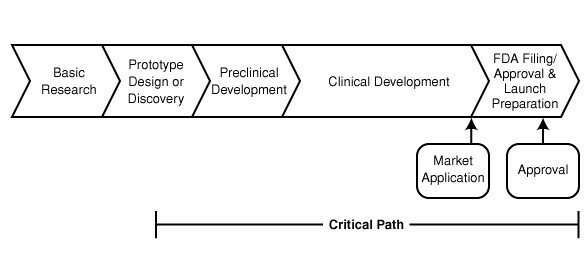
“… the development path is becoming increasingly challenging, inefficient, and costly.”  “the two most important areas for improving medical product development are biomarker development and streamlining clinical trials.” 
~ FDA white paper: The Critical Path.

To avoid an unnecessary competition for participants between biorepositories and clinical trial investigators and sponsors.

To increase incentives for patient participation in biorepository-based research, and to gain needed support from patient advocacy groups.

To foster patient and public trust.

o And in uncommon cases of medical necessity, to help meet the urgent clinical needs of the participants.

As you know, it’s anticipated that standardized biospecimen resources will accelerate discovery of new drug targets and enable more efficient clinical research through discovery and validation of biomarkers. These pressing needs cannot be met without a supporting infrastructure.  Therefore, a biorepository policy that provides a means to transfer biospecimen for these purposes is urgently needed.

Thank you so much for your attention to patient and caregiver comments on this issue.

Sincerely


Karl Schwartz
 
President, Patients Against Lymphoma
Patient Consultant to the FDA/Oncologic Drug Advisory Committee (ODAC)
Participant: NCI Progress Review Group for Blood Cancers (LMPRG)
Participant: Biospecimen Access and Ethical, Legal, and Policy Issues Workshop (ELP)
Participant: Custodianship and Ownership Issues in Biospecimen Research Symposium-Workshop
 Related Report: Biobanking of fresh frozen tissue: RNA is stable in nonfixed surgical specimens
http://www.nature.com/labinvest/journal/v86/n2/pdf/3700372a.pdf
   Our data indicate that nonfixed tissue specimens may be transported on ice for hours without any major influence on RNA quality and expression of the selected genes. However, further studies are warranted to clarify the impact of transport logistics on global gene expression.   

11 Sep

An Anniversary

September 11, 2002.  The first anniversary of that unthinkable, senseless attack on our country.
Listening to the radio on the way to the hospital, imaginary faces flashed before my eyes – faces of mothers and fathers, sons and daughters, brothers and sisters.  Any one of them, I suspected, would have traded places with me that morning, even if the extra year of life meant having lymphoma, which I’d been battling for eight long months.

At the time I was diagnosed earlier that January, my only option was chemotherapy which I learned may or may not work.  There was, however, some hope.  The FDA was considering approval of Bexxar and Zevalin, and I could only pray that the men and women who pass judgment on new therapies would remember that lives depended on their decisions.
R-CHOP followed CVP, but I never finished the entire treatment of either.  My disease cunningly resisted both, but the chemo treatments did buy enough time for the FDA to approve Zevalin. 

When treatment was scheduled for September 11, it seemed irreverent to hope for a personal victory on the day of collective national remembrance, and yet we did hope.  My husband Alex and I settled into a tiny hospital room where the drug soon began its mission, and we prayed that it would find and destroy every cancerous cell in my body.
Six weeks later, there was no evidence of disease.  Alex and I picked up the pieces of our life, fully expecting that RIT would be widely embraced as the weapon of choice against this deadly disease. 

As we all know by now, that has sadly not been the case, and it disturbs me greatly that Bexxar and Zevalin are still caught in a bureaucratic stranglehold five years after winning FDA approval (see the CMS letter on the homepage of the lymphomation site).

America loses 1,500 patients to cancer each day, year in and year out.  That’s 9/11 every two days for the cancer community…and that is simply unacceptable.  

And so while today marks five years since RIT restored my health and kept my family whole, I am so grateful, as I am every day, that my life was spared, but 9/11 will never be a day for celebration.  Undoubtedly, I will always grieve for the families who lost loved ones on that terrible day, but having overcome my own enemy on that date, I grieve, too, for the families who will suffer until our regulatory agencies clear the way for all patients to benefit from all approved treatments. 

On a much less serious note, it seems like a lifetime ago and yet just yesterday that I was battling lymphoma.  A lifetime because I’ve gotten to live a normal happy life for five years.  Yesterday because lymphoma will always be a part of me.  I would never have chosen to have it, but it has surely connected me with some of the most caring, wonderful people throughout the country – even if we’ve just “met” through email.

And so I would simply say to all of you who may be starting out or who are undergoing treatment – lymphoma is tough, but it is treatable and beatable.  There are many of us to prove it!
Hugs to all,

Betsy

26 Aug

YOUR HELP IS NEEDED TO SAVE ONE OF OUR IMPORTANT TREATMENT OPTIONS!!!

It has been well documented that Bexxar and Zevalin, the two FDA-approved radioimmunotherapy (RIT) drugs, have been underutilized.  As if these two drugs haven’t faced enough hurdles, they now appear to face the biggest of all:  The Center for Medicare and Medicaid Services (CMS), which determines the amount hospitals are paid for specific services, is proposing to cut reimbursement for Bexxar by more than half of what the treatment costs.  Zevalin faces the same problem. 
 
This means that hospitals would have to subsidize Medicare patients in order for them to receive either drug. Since hospitals will not subsidize Medicare patients, these patients will have no access to the drugs. And since hospitals will not offer drugs to privately insured patients unless Medicare patients have access to the same drugs, this proposal means that Bexxar and Zevalin will effectively be denied to everyone. 
 
This proposal threatens to sound the death knoll for RIT.  Worse, it potentially jeopardizes development of promising new treatments. 
 
I’m sure you all agree that we cannot afford to lose any treatment option, much less one which has proven to be the most effective single agent treatment for some forms of lymphoma.
 
What can we do?  We fight the adoption of this proposal.  CMS allows public comments on all proposals, and the public comment period for this proposal ends on September 14. Karl is in the process of drafting a petition to CMS on behalf of PAL.  Once finished, he will post it on the site and we will collect signatures in support of the petition.  He and I will let you know when it is available. 
 
Time is short and I urge you to add you name to this petition.  There is strength in numbers, and each and every voice can make a big difference in whether or not this treatment is saved. I haven’t talked with Karl about this, but 1,000 names is a good goal – and reachable if each of you will reach out to your family and friends. 
 
For those of you who want more details about this, I’m including the specifics below.
 
In advance, many thanks for helping.   The addition of your name to the upcoming petition WILL have an impact. 
 
Betsy
 
NOTES BELOW:
The Center for Medicare and Medicaid Services (CMS) reviews and revises reimbursement amounts annually.  For next year, CMS is proposing the following changes to reimbursement for Bexxar.  (I only have figures for Bexxar, but Zevalin’s proportions will be about the same.)
 
Historically, when Bexxar and Zevalin were approved, CMS had no classification for drugs which combine biological and radiopharmaceutical components.  Five years after these drugs’ approval, CMS still has no such classification, which means that CMS has continued to separate payments for the components, even though the components combine to make the treatment.
 
So rather than reimbursing for the entire treatment as a whole, CMS is proposing payment for the following components:   The cost and proposed reimbursement for Bexxar follows:

The dosimetric dose (the cold antibody), given twice:    
Cost:  $2,188.75 x 2 = $4,377.50
Proposed Reimbursement: $1,925.11 x 2 = $3,850.22
The diagnostic dose (the “test” dose) which as proposed is lumped together with the necessary scans:       
Cost: $2,317.50
Proposed Reimbursement:   $1,022.88
The therapeutic dose: 
Cost: $20,085.00
Proposed Reimbursement:   $8,283.41

TOTALS:
Cost: $26,780.00        
Proposed Reimbursement:   $13,156.51

The proposed reimbursement does not include the $3000 compounding fee, so if that is added to the cost of $26,780, then hospitals would have to subsidize the remaining $16,623.49 after reimbursement of $13,156.51. 

These figures are buried in a 503-page document which contains many other changes.  The link is: http://www.cms.hhs.gov/QuarterlyProviderUpdates/downloads/cms1392p.pdf.  Here are the pages which mention Bexxar (as I131 tositumomab):

Page 45:  Just a code, no dollars mentioned.

Page 114:  middle of page, Table 44, shows proposed reimbursement for therapeutic dose of Bexxar at $8,283.41 and just above that shows $12,030.02 for Zevalin

Page 353:  about the middle of the page, #78804 in left column, says “Tumor Imaging.”   This is actually the diagnostic dose which has been bundled with the scans.

Page 409:  almost at the top, Item #G3001 says “Admin + supply, tositumomab” reimbursed at $1925.11.  This is actually the dosimetric dose so two are needed.


04 Aug

The Seed Grows

Following my recovery, I wrote a book, The Roller Coaster Chronicles, based on the journal I kept during my encounter with lymphoma, and for over a year have also written a blog.  As a result, I began to hear from patients across the country, and a disturbing picture began to emerge.  Few had ever heard of RIT.  In fact, most had not been told about RIT – or any other potentially promising treatment.

In September 2006, Biogen Idec, manufacturer of Zevalin, quietly decided to put the drug up for sale.  By that time, I knew that sales of Zevalin and Bexxar had never met their manufacturers’ – or Wall Street’s – expectations, and after hearing so many heartwrenching stories from patients, I suppose that curiosity got the best of me.  I had to know why these drugs were not reaching patients.

For the next three months, I read every study I could find and interviewed some of the top lymphoma experts in the country, corporate executives, reimbursement specialists, and as many patients as I could find. What I learned was horrifying:  because oncologists must refer their patients to nuclear medicine physicians or radiation oncologists for administration of RIT, they don’t get paid since they don’t administer it.  In other words, oncologists have no financial incentive to use it and thus it has reached only an estimated 5% to 10% of the patients who are eligible for it.  Money, I learned, had trumped medicine.

By January 2007, I had condensed what I had learned into an essay which was reviewed independently by two medical experts.  I emailed it to everyone I know, whether they had ever been touched by cancer or not.  A fellow survivor posted it in a lymphoma chat room where Lymphomation picked it up and posted it at http://www.lymphomation.org/RIT-comment.htm in case you’d like to read it.

In April 2007, the Journal of the National Cancer Institute published a story about the underutilization of RIT which only added credibility to this unfortunate tale.   It’s at http://blog.lymphomainnovations.com/files/JNCI.pdf
In June 2007, I wrote an essay about the issue in the Ann Arbor News (http://www.mlive.com/annarbor/stories/index.ssf?/base/news-0/1181458985115390.xml&coll=2) which was picked up by Alex Berenson of The New York Times who wrote his own story, published in July at http://www.nytimes.com/2007/07/14/health/14lymphoma.html?ex=1186286400&en=97e3975e5be863ed&ei=5070.

Did I ever intend to become so vocal?  Not at all.  During my illness, I was just lucky enough to be at the right place at the right time and to learn first hand that new treatments can make our futures brighter, and I deeply believe that all patients deserve the same chance that I had.  So knowing what I knew about the underutilization of RIT, how could I possibly have remained silent?  I couldn’t.  I needed to say to all who follow in my footsteps:  you are more likely to have a better outcome if you become your own best advocate and learn all you can about potential treatment options.

No, I will never close the chapter on lymphoma as I had once so wanted to do.  Instead, it remains wide open, connecting me with many people throughout the country who continually give me strength and inspiration.  Some of the people I’ve met are, like me, living normal, healthy, busy lives because we were the beneficiaries of new and better treatments and because we had doctors who used them. 

RIT is but one example of an effective new treatment, and scientists are hard at work on many more.  Every one of us deserves to have access to every option that may be available to us, and I will continue to spread that message as far and wide as I possibly can.

In the meantime, I send each and every one of you a big healing hug!

Betsy

03 Aug

The Advocacy Seed Is Planted

Since I’m a new name to many of you at the Lymphomation site, I thought it might helpful to introduce myself and give you a little background of how I came to join you.

In January 2002, I was diagnosed with stage IV low-grade follicular non-Hodgkins lymphoma.  My husband Alex and I learned that there was no cure for this type of lymphoma and that my treatment options, at that time, were limited to chemotherapy regimens that had been used for years. The problem was that chemo didn’t always work, and even when it did, the disease sooner or later came back, with each subsequent relapse requiring stronger drugs until eventually no options remained.  That was not the future we had envisioned.

Fortunately, we happen to live in Ann Arbor, home of the University of Michigan.  By sheer luck, I became a patient of Dr. Mark Kaminski, the developer of Bexxar, a radioimmunotherapy (RIT) drug which treats some forms of lymphoma differently than chemo.  At the time I was diagnosed, both Bexxar and Zevalin (the other RIT drug) were under FDA review, but Dr. Kaminski assured us that new treatments were on the horizon and encouraged us to remain hopeful.
Almost immediately after my diagnosis, treatment became necessary. Dr. Kaminski presented the various options, and together we decided I would enter a clinical trial which treated the disease with eight rounds of CVP followed by a vaccine six months later, but CVP was suspended after two rounds when my disease proved resistant. R-CHOP came next, but after five of the planned eight rounds, my disease came roaring back – again. 

While chemo failed to arrest my disease, it did a lot of things it sometimes does.  Among other things, it deprived me of hair, sent me to the hospital with various complications and helped me to forget what day it was. On the bright side, it bought what I needed most – time.

For eight long months, I’d fought a losing battle, but during that time, Zevalin had been approved.  By then, Alex and I had learned enough to know that additional chemotherapy was unlikely to succeed.  When Dr. Kaminski suggested that Zevalin was my best option, it was easy to put our faith in his expertise and experience. There is a huge level of comfort when you’re being treated by someone who knows as much about RIT as anyone in the world.
 
Early on the morning of September 11, 2002, Alex and I headed to the hospital for what we hoped would save my life, but our hope could not have been a greater contrast to our country’s somber mood on that first anniversary of 9/11.  As we mourned with the nation during my treatment that day, we also reflected on how lucky I was to have lymphoma at a time in medical history when a revolutionary treatment became available in the nick of time. Our thoughts turned to the countless scientists who had spent years taking their ideas from labs to clinical trials to the world of business and finance and finally to the FDA.  As we watched the drugs drip into my veins, we marveled that persistent scientists, clinical trial participants, and financial supporters had partnered to make my treatment possible, and we were deeply grateful that their partnership gave us a reason to believe that our future would be bright. Indeed it has been.  I have been disease-free since that day!
 
After treatment, I could hardly wait to file away lymphoma as a chapter in my life’s history, never to be reopened, but I could never quite close the chapter.  As frightening as lymphoma had been, I knew, on a deeply personal level, that a new and better treatment had given me the opportunity to live and laugh and love after cancer, and I believe that every person, with every illness, deserves that same chance. At the time, I had no idea that I would later shout that message to anyone who would listen.
 
So stay tuned - my next entry will chronicle just how loudly I would shout the message!

Betsy  de Parry


01 Aug

“The patient is waiting”

Karl SchwartzFirstly, welcome to our blog feature!  … our* first post. 

* We are Patients Against Lymphoma

Our reason for our being is to understand the needs of patients and caregivers who have been touched by lymphomas, and to help inform about the disease and its treatments - approved and investigational … to provide evidence-based information.

One such need is for patients - ideally with the aid of their treating physicians - to identify and fully consider the full range of treatment options - including investigational therapies - particularly when it has become refractory to standard therapies.

A second purpose is to help patients to think more like scientists, and scientists like patients,  so that we can begin to bridge the gap between doing more efficient clinical science while practicing good medicine. 

So we will do much “trial talk” … with the perspective that real progress cannot happen if patients fail to participate in sufficient numbers in well-designed studies  … 

How else?

Now to some controvery:  In Cancer and the Constitution - Choice at Life’s End Dr. Annas writes:

“the Abigail Alliance court, the Congress, and the FDA all seem to be suffering from the *”therapeutic illusion”* in which research, designed to test a hypothesis for society, is confused with treatment, administered in the best interests of individual patients.”  (www.nejm.org)

I see this as partially true, but also a dangerously narrow perspective on the purpose of clinical trials, which might be adopted by drug sponsors to avoid an ethical responsibility of making investigational agents available for compassionate use when appropriate.

The purposes of studies involving human subjects vary according to the stakeholder.  The sponsor’s goal is to achieve marketing approval and realize a profit,  the physician and patient  consider clinical trials as therapeutic options, the FDA’s role is closest to the view of Dr. Annas: to test a clinical hypothesis – the assessment of risks and benefits in order to protect the public interest. 

Clearly, progress against cancers depends on obtaining reliable answers that can only come from well-design controlled clinical trials.  However, what the study was “designed to test”  is not the main issue when judging the merits of compassionate access. 

… Consider, for example, the most appropriate action of a man who has designed a new life preserver, and during the testing phase sees a child alone and in distress, caught in rip tide.  A) Go home,  B) Try it,  C) Fill out applications …

Similarly, access to investigational drugs are case-based ethical decisions, and FDA has done a good job of seeking guidance on expanded access, and in proposing a framework for meeting this need.

(See Proposed Rules for Charging for Investigational Drugs and Expanded Access to Investigational Drugs for Treatment Use    http://www.fda.gov/cder/regulatory/applications/IND_PR.htm  )

It should be noted that the circumstances prompting patients to consider trials are as variable as the diseases, but it is rarely if ever done for the selfless concern for the welfare of others.  Patients enroll in trials to meet critical medical needs, and they are guided (too infrequently perhaps) by their physicians who have an obligation to provide the best possible medical care and guidance. 

It has been found that ” patients rely heavily on their physicians to inform and advise them about treatment options, physicians are often the most influential factor in a patient’s decision to participate in a clinical trial.”   (NIH Clinical Trials: Various factors affect patient participation http://www.gao.gov/archive/1999/he99182.pdf)

… Thus clinical trials involving human subjects can and should often “equate with Good Medicine”; and lacking the potential to meet each of these purposes will raise serious questions about the ethics of the study. 

(See Cancer therapy and the randomized clinical trial good medicine?
Dwight Kaufman, M.D., Ph.D. * Cancer  Volume 72, Issue S9 , Pages 2801 – 2804)

That clinical trials are considered treatment decisions by patients and physicians is reinforced by the consent process, which requires “disclosure of any appropriate alternative procedures or courses of treatment that might be advantageous to the subject”  (See Guidelines For Writing Informed Consent Documents, National Institute of Health )  

Sadly, there are many times when the patient and family do need to know when to let go - when less is better.  That fully considered and acknowledged, “Life’s End” is not always so easy to predict; and how realistic the hope of benefiting from a clinical trial can vary significantly, as can the setting in which patients may seek compassionate use of agents that are awaiting regulatory assessment for marketing approval. 

Notably, we have seen that even advanced blood cancers can sometimes be reversed completely by administration of agents with a unique mechanism of action - notably Gleevec for advanced CML. Similarly, patients with diseases refractory to standard protocols have achieved complete and durable remissions with radioimmunotherapy in expanded access trials  prior to marketing approval. 

(See Harnessing Science: Advancing Care By Accelerating The Rate Of Cancer Clinical Trial Participation” Before The Committee On Government Reform U.S. House Of Representatives May 13, 2004   http://www.fda.gov/ola/2004/clinicaltrials0513.html)

Notably, the most significant and positive change in the FDA proposals is in defining eligibility: to be eligible, patients need not be “desperately ill” or have “immediately life-threatening disease”, which implies advanced disease, a circumstance where no therapy no matter how novel and active is likely to benefit the patient.

We might call promising new active agents that have a unique mechanism and well understood toxicities “exceptional new agents (ENAs).”  It was patient demand that led to the installment of expanded access programs for ENAs, Bexxar and Gleevec, some few years ago.  Thus, concern about the influence of expanded access and compassionate use on trial enrollment will not often apply to ENAs; and providing a case-based pathway for access is unlikely to do any harm to society.   

It should be noted that the gatekeepers for compassionate access are many and highly qualified, including the patient’s licensed physician, an IRB, the FDA, and the drug sponsor – which points to the challenge of utilizing these programs, when appropriate, in a timely manner.   ….

And is the alternative to a funtioning compassionate access program the all-to-common use of Aternative Medicine?  Resorting to Quackery?

Dr. Annas correctly points out that FDA cannot compel the sponsor to make their agent available, and that this appears to be the main obstacle to access in deserving cases: when the patient is ineligible for a clinical trial and his or her doctor believes an investigational agent provides a reasonable best hope for clinical benefit.

Regarding the potential liability to the sponsor correctly cited by Dr. Annas, it may also be true that the demand for access speaks to the clinical and financial potential of their product.  If the ENA  is what it appears to be, the benefits to the sponsor of providing expanded access could many times exceed the risks to the company.   So there could be a need to help the sponsors of ENAs in these exceptional circumstances to see the entire picture, and not focus on the liabilities and costs.

BOTTOM LINE:  What I really think is that scientists, sponsors, investigators are very busy and understandably don’t want to be distracted from their important work with appeals for compassionate use, no matter how appropriate.  My concern is that this idea – the “testing of hypothesis for society” as the ONLY purpose for conducting clinical trials — could be used to justify inaction in deserving cases.   Much better that we streamline and enable the process  (allow for charging fees for cost recovery and the application process) than to ignore the responsibility of providing compassionate access to patients in need when medically appropriate.
 

~ Karl Schwartz
Patients Against Lymphoma

*  ”The patient is waiting” ~ Leigh Thompson

 Further commentary on topic: http://www.fda.gov/ohrms/dockets/DOCKETS/03p0274/03P-0274_emc-000001-01.doc


© 2008 LYMPHOMAtion | Entries (RSS) and Comments (RSS)

Powered by Wordpress, design by Web4 Sudoku, based on Pinkline by GPS Gazette