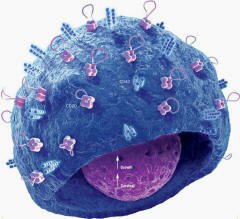
 Monoclonal antibodies (mAbs) Monoclonal antibodies (mAbs)
mAbs (monoclonal antibodies) are proteins that binds to molecules
(antigen receptors) on cells, such as cd20 (the target of Rituxan)
See also pathologyoutlines.com
CD overview - Clusters of Differention cellular-immunity
See also LookUp Table
|
Next Generation anti-CD20 mAbs
|
 Topic Search Topic Search
by Agent
|
Description
|
Trial
Search |
|
Search
Medica
|
CD20 type II antibody (GA-101)
Indication: Lymphomas, b-cell (expressing CD20)
Compared to existing CD20 antibodies GA101 represents a novel, third generation antibody with significantly enhanced efficacy in a variety of in vitro and in vivo preclinical models. GA101 constitutes the first type II CD20 antibody successfully engineered for increased ADCC.
ASH 2010 clinical report http://ash.confex.com/ash/2010/webprogram/Paper32143.html
Overview of technology by sponsor: PDF
|
GA-101, cd20 antibody studies
ClinicalTrials.gov
|
|
|
CD20 antibody - next generation
(Ofatumumab /Arzerra (r) )
Indication: Lymphoma/CLL, b-cell expressing CD20
NEWS: FDA conditional approval for refractory CLL
(HuMax-CD20™) is a fully human, high-affinity antibody targeted at the CD20 molecule in the cell membrane of B-cells.
Also see Report on Clinical responses Feb 2008
|
Ofatumumab, cd20 antibody studies
ClinicalTrials.gov |
| |
CD20 antibody - next generation
(Veltuzumab / Immu-106 / Ha20)
Indication: Lymphomas, b-cell (expressing CD20)
"A [humanized anti-CD20] monoclonal antibody that is being studied in the treatment of refractory B-cell non-Hodgkin's lymphoma." Source
Data: Phase I/II Results ASH 2006
|
Veltuzumab, cd20 antibody studies
ClinicalTrials.gov |
|
|
CD20 antibody - first generation
(Rituximab / Rituxan / Mabthera)
APPROVED for CD20 lymphomas See Rituxan
Indication: Lymphoma/CLL expressing cd20 (APPROVED)
Rituxan (formerly C2B8) See Rituxan
|
Rituximab, cd20 antibody
ClinicalTrials.gov
(new uses) |
Not Recruiting
|
| |
Active - not recruiting: CD20 antibody - next generation (AMME-133v)
Indication: Lymphomas, b-cell (expressing CD20)
AME-133v is hypothesized to result in an anti-CD20 therapy with greater potency and efficacy in all patients.
|
AMME-133v, cd20 antibody studies ClinicalTrials.gov |
Other CD-targeting Mabs
|
Topic Search
by Agent
|
Description
|
Trial
Search |

|
CD4 antibody (Zanolimumab)
Indication: Lymphoma, T-cell
(Zanolimumab) HuMax-CD4® is a human antibody being developed under an agreement with Serono and is currently in Phase III development for cutaneous T-cell lymphoma (CTCL) and in Phase II for non-cutaneous T-cell lymphoma.
Zanolimumab Shows Long-Lasting Responses in T-Cell Lymphoma Patients Docguide
Clinical efficacy of zanolimumab (HuMax-CD4): two phase 2 studies in refractory cutaneous T-cell lymphoma http://bloodjournal.hematologylibrary.org/content/109/11/4655.long
|
Zanolimumab,
CD4 antibody
ClinicalTrials.gov |
| |
CD22 antibody
(Epratuzumab)
Indication: Lymphoma, CD22 positive
an anti-CD22 humanized monoclonal antibody
|
Epratuzumab, cd22 antibody studies
ClinicalTrials.gov |
| |
CD23 antibody
(Lumiliximab)
Indication: Lymphomas (expressing CD23)
CD23, the low-affinity immunoglobulin (Ig)E receptor (FcepsilonRII), is widely distributed on the surface of various human cells. CD23 mediates numerous IgE-related immune responses Source | Background article
|
Lumiliximab, cd23 antibody studies
ClinicalTrials.gov |
|
|
CD30 antibody
(SGN-30)
Indication: Lymphoma expressing CD30, such as Hodgkins
a monoclonal antibody that targets the CD30 antigen, which is expressed on hematologic malignancies including Hodgkin's disease and some T-cell non-Hodgkin's lymphomas. Seattle Genetics is conducting ongoing phase II clinical trials of SGN-30 as a single agent in systemic ALCL and cutaneous ALCL." Press release
|
SGN-30, cd30 antibody studies
ClinicalTrials.gov |
|
CD37 antibody
(IMGN529)
IMGN529 retains these antibody-dependent anticancer activities, and also has the mechanism of action of a TAP compound: targeted delivery of the potent DM1 agent to the tumor cells. In preclinical testing, IMGN529 was found to have greater anticancer activity than its antibody component alone.
|
Preclinical |
|
CD37 single-chain polypeptide antibody (TRU-016)
"A recombinant single-chain polypeptide engineered to exhibit the full binding and activity of an anti-CD37 monoclonal antibody with potential immunostimulatory and antineoplastic activities. http://www.cancer.gov/drugdictionary/?CdrID=589521
RESULTS: A Phase 1 Trial of TRU-016, An Anti-CD37 Small Modular Immunopharmaceutical (SMIPTM) Protein in Relapsed and Refractory CLL: Early Promising Clinical Activity
http://bit.ly/TRU-016
|
TRU-016, cd37 antibody studies
ClinicalTrials.gov |
|
|
CD40 Antibody (dacetuzumab)
Indication: Lymphomas, b-cell (expressing CD40)
|
dacetuzumab studies
ClinicalTrials.gov |
| |
CD45 Antibody
Indication: Lymphomas, b-cell (expressing CD45)
|
CD45 antibody studies
ClinicalTrials.gov |
| |
CD47 Antibody - PRECLINICAL
Indication: Lymphomas, b-cell, and AML
We will be watching for clinical phase testing of this new target.
Blockade of CD47 signaling by a monoclonal antibody can eliminate NHL cells by enabling phagocytic engulfment. Here we investigate the therapeutic potential of an anti-CD47 antibody alone and in combination with rituximab for the treatment of NHL. We predict that the combination of anti-CD47 antibody and rituximab through utilization of two independent antibody mechanisms will result in synergistic phagocytosis and elimination of NHL cells.
|
CD47 antibody studies
ClinicalTrials.gov
(preclinical)
|
|
|
CD52 antibody
(Campath (r) / alemtuzumab)
APPROVED for CLL
Indication: Lymphomas: CLL
"A humanized monoclonal antibody directed against the CD52 antigen with promising therapeutic effects in patients with small cell lymphocytic non-Hodgkin's lymphomas (NHL) of B- and T-cell type."
|
Alemtuzumab, CD52 antibody studies
ClinicalTrials.gov |
|
|
CD70 antibody
(MDX-1411)
Indication: Lymphomas and CLL
Cellular expression: Activated T and B cells, and macrophages
a fully human monoclonal antibody that targets the CD70 receptor, which is a member of the tumor necrosis factor (TNF) family.
|
MDX-1411, cd70 antibody studies
ClinicalTrials.gov |
|
|
CD74 antibody
(Milatuzumab / hLL1)
Indication: b-cell lymphomas
Immunomedics Patents Internalizing Anti-CD74 Antibodies Reuters
|
Milatuzumab, cd74 antibody studies
ClinicalTrials.gov |
| |
CD80 antibody
(IDEC-114 / Galiximab)
Indication: Lymphomas
|
Galiximab, cd80 antibody studies
ClinicalTrials.gov |
Other Antibodies
|
|
PD-1 (P7) receptor antibody
(CT-011)
Indication: Lymphomas
“One of the leading causes for immune suppression in cancer patients was suggested to be associated with the elevated expression of PD-L1 (B7-H1) at tumor-involved sites, resulting in local suppression and apoptosis of tumor-infiltrating effector lymphocytes.
Animation by sponsor:
How CT-011 thought to work? http://bit.ly/jWVQ8S
Safety & efficacy study clincancerres.aacrjournals.org
2011 Clinical report - media press release: globes.co.il/
|
PD-1 receptor antibody studies
ClinicalTrials.gov |
|
KW-0761 antibody directed against CCR4 (CD194) on T-cells
Indication: The target of KW-0761 is a molecule that may be over-expressed on adult T-cell lymphoma (ATL) and peripheral T-cell lymphoma (PTCL) cells.
Mechanism of action:
KW-0761 selectively binds to and blocks the activity of CCR4, which may inhibit CCR4-mediated signal transduction pathways and, so, chemokine-mediated cellular migration and proliferation of T cells, and chemokine-mediated angiogenesis.
=> Translation: an antibody binding to this target might stop processes within t-cells that support malignant behavior – excessive growth of the abnormal cells and blood supply to these cells.
In addition, this agent may induce antibody-dependent cell-mediated cytotoxicity (ADCC) against CCR4-positive T cells.
=>Translation: this antibody (like Rituxan) might lead to the killing of the cells this antibody binds to – by the immune system.
CCR4 is expressed on the surfaces of some types of T cells, endothelial cells, and some types of neurons.
… => Which helps to predict the kinds of toxicities to monitor for.
|
KW-0761, CCR4 antibody studies
ClinicalTrials.gov |
Mabs Coupled with Toxins or Chemo
|
Topic Search
by Agent
|
Description
|
Trial
Search |
|
|
CD19 and CD22 antibody, + immunotoxin (DT2219ARL)
Indication: Lymphomas, b-cell (expressing CD19 and CD22)
"A bispecific ligand-directed toxin (BLT) called DT2219ARL consisting of two scFv ligands recognizing CD19 and CD22 and catalytic DT390 was genetically enhanced for superior in vivo anti-leukemia activity. Technical background: ncbi.nlm.nih.gov
|
Go to studies
ClinicalTrials.gov |
| |
CD19 antibody + cytotoxic - maytansinoid (SAR3419)
Indication: Lymphomas, b-cell - expressing cd19
an immunoconjugate consisting of an anti-CD19 monoclonal antibody conjugated to the maytansinoid DM4, a derivative of the cytotoxic agent maytansine (DM1), with potential antineoplastic activity.
Details: http://www.cancer.gov/
Phase I/II report - ASCO 2011: http://abstract.asco.org/AbstView_102_78324.html
Press release of same: http://bit.ly/m0CxxM
|
Go to studies
ClinicalTrials.gov |
| |
CD22 antibody + immunotoxin
(CAT-8015)
Indication: b-cell lymphomas
an optimized version of CAT-3888 with increased affinity for CD22. CD22 is a cell surface receptor expressed in a wide variety of B-cell malignancies. The anti-CD22 immunotoxin CAT-8015 comprises a dsFv that targets the CD22 receptor, fused with a specifically engineered toxin molecule that minimizes non-targeted toxicity, resulting in a highly specific, highly potent therapeutic molecule. The molecule acts by releasing the toxin intracellularly (within the cell), after the whole immunotoxin has been internalized via the CD22 receptor."
|
Go to studies
ClinicalTrials.gov |
|
|
CD22 antibody + cytotoxic - calicheamicin (CMC-544 /
Inotuzumab Ozogamicin)
Indication: Lymphoma, b-cell - CD22 positive
a humanized anti-CD22 antibody conjugated to calicheamicin, a cytotoxic agent. IO targets CD22, which is expressed in the majority of B-cell NHL.
a CD22-targeted immunoconjugate of calicheamicin and exerts a potent cytotoxic effect against CD22+ B-cell lymphoma http://clincancerres.aacrjournals.org/cgi/content/full/12/1/242
CMC-544 + Rituximab In Relapsed DLBCL Patients Followed by Stem Cell Transplantation: Preliminary Safety and Efficacy
http://ash.confex.com/ash/2010/webprogram/Paper33326.html
|
Go to studies
ClinicalTrials.gov |
| |
CD22 antibody + toxic protein dgA-RFB4
(Mono-dgA-RFB4 )
Indication: Lymphomas, b-cell expressing cd22
Scant background information so far; one trial, completed with no found reports of outcomes
|
Go to studies
ClinicalTrials.gov |
|
|
CD25 antibody + immunotoxin
(LMB-2 immunotoxin)
Indication: Lymphomas, b-cell (expressing CD25)
"an antibody Fv fragment fused to truncated Pseudomonas exotoxin." ncbi.nlm.nih.gov
|
Go to studies
ClinicalTrials.gov |
| |
CD30 antibody + antitubulin agent
(SGN-35 / brentuximab vedotin)
Indication: Lymphoma expressing CD35, such as ALCL
"Brentuximab vedotin (SGN-35) is an antibody-drug conjugate (ADC) comprising an anti-CD30 antibody linked to a potent, synthetic drug payload, monomethyl auristatin E (MMAE)"
NEW FDA Advisor Panel Backs Accelerated Approval of Brentuximab for Hodgkins Lymphoma and ALCL http://bit.ly/pr3er1
|
Go to studies
ClinicalTrials.gov |
|
IL-2 antibody + toxic protein
(Ontak / Denileukin diftitox)
Indication: Lymphoma (APPROVED for t-cell lymphomas)
a toxin fusion protein. The IL-2 portion of the molecule targets the lymphoma cells by binding to the IL-2 receptor on the plasma membrane, and upon endocytosis, the diphtheria toxin is delivered to the lymphoma cells. www.ncbi.nlm.nih.gov
|
Go to studies
ClinicalTrials.gov |
Bi-specific mAbs
binds two antigens on target cells
Return to top
|
Topic Search
by Agent
|
Description
|
Trial
Search |
|
|
CD22 antibody
(4g7xH22)
DORMANT - study completed, no results posted.
Indication: In Patients With Refractory or Relapsed Non-Hodgkin's Lymphoma or Chronic Lymphocytic Leukemia (CLL)
Intravenous Bispecific Antibody (4G7XH22)
|
Go to studies
ClinicalTrials.gov |
| |
CD19 AND CD3 antibody
(BiTe / Blinatumomab / MT103)
Indication: Lymphomas, b-cell (expressing CD19)
Binds to B-cells and T-cells Details : http://www.ncbi.nlm.nih.gov/pubmed/17083975
Also see: News item on clinical responses Feb 2008
|
Go to studies
ClinicalTrials.gov |
|
|
|
CD22 + fractionated Yttrium 90
(90Y-hLL2 IgG / epratuzumab tetraxetan)
Indication: Lymphomas expressing CD22
using epratuzumab (cd22 antibody) to deliver radiation directly to lymphoma cells in small fractions (fractionated doses" Source
High Rates of Durable Responses With Anti-CD22 Fractionated Radioimmunotherapy: Results of a Multicenter, Phase I/II Study in Non-Hodgkin's Lymphoma http://jco.ascopubs.org/content/28/23/3709.abstract
|
Go to studies ClinicalTrials.gov |
| |
CD20 antibody + radiation emitting particle - iodine 131
(Bexxar (r) / Tositumomab, Iodine I 131)
APPROVED for relapsed indolent b-cell lymphoma. See Bexxar
See also Comparing Properties of Bexxar and Zevalin
|
Go to studies
ClinicalTrials.gov
(new uses of approved agent) |
|
|
CD20 antibody + radiation emitting particle - Yttrium 90
(Zevalin (r) / Ibritumomab tiuxetan)APPROVED for relapsed indolent b-cell lymphoma and for consolidation following first chemotherapy. See Zevalin
See also Comparing Properties of Bexxar and Zevalin
|
Go to studies
ClinicalTrials.gov
(new uses of approved agent)
Go to studies
Clinicaltrials.gov
|
| |
Other antibody + radiation emitting particle (Various)
Non-cd20 antibodies with radioisotopes in clinical phase study - more than you might expect.
|
Go to studies
Clinicaltrials.gov |
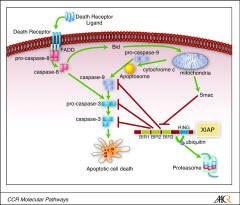 Apoptosis Apoptosis
Apoptosis: means programmed cell death - a normal process by which the body rids itself of old, unneeded, or damaged cells. This event is similar to what we see in a sun burn - when over-exposed skin cells die and peel. Cancer cells have turned on pathways that resist this process, which can be targeted by new drugs.
"Evasion of apoptosis is a hallmark of cancer (1). Cancer cells must overcome a continual bombardment by cellular stresses such as DNA damage, oncogene activation, aberrant cell cycle progression, and harsh microenvironments that would cause normal cells to undergo apoptosis. One of the primary means by which cancer cells evade apoptosis is by up-regulation of the prosurvival Bcl-2 family proteins such as Bcl-2, Bcl-xL, and Mcl-1 (1, 2). Thus, a variety of approaches to target these oncoproteins have been pursued to restore the natural process of programmed cell death (3). - cancerres.aacrjournals.org/
Return to top
|
Topic Search
by Agent
|
Description
|
Trial
Search |
|
|
Inhibitor of bcl-2 family of proteins - ABT-263
Orally Bioavailable, Small molecule
Indication: Lymphoma
"ABT-263 is an orally bioavailable small molecule inhibitor of Bcl-2 family proteins " ABT-263 in subjects with refractory or relapsed lymphoid malignancies. ASCO 2009
|
Go to studies
ClinicalTrials.gov |
| |
Inhibitor of NAD
(nicotinamide adenine dinucleotide)
Continuous IV infusion
Indication: t-cell lymphomas
"APO866 inhibits intracellular NAD, which essential for cell survival. NAD depletion resulting from APO866 treatment elicits tumor cell death." http://bloodjournal.hematologylibrary.org
|
Go to studies
ClinicalTrials.gov
|
|
|
Inhibitor of bcl-2 family of proteins - AT101 (gossypol)
Indication: Lymphomas
gossypol - a naturally occurring polyphenolic compound derived from cottonseed and was initially evaluated as an anti-fertility agent. Gossypol induces apoptosis in tumor cells with high Bcl-XL and/or Bcl-2 expression levels, leaving normal cells with low expression levels (e.g. fibroblasts, keratinocytes) relatively unaffected [16]. http://www.ro-journal.com/content/4/1/47
Pan-Bcl-2 Inhibitor | Background article PDF | ASCO clinical report | Safety article: ascentatherapeutics.com .pdf
|
Go to studies
ClinicalTrials.gov |
| |
Inhibitor of the protein kinase Cbeta isozyme - Enzastaurin (LY317615)
Indications: Lymphoma
an acyclic bisindolylmaleimide, is an oral inhibitor of the protein kinase Cbeta isozyme.
|
ClinicalTrials.gov |
| |
Fenretinide - analog of vitamin A
(4-HPR)
Indication: Lymphoma/CLL
fenretinide (fen-REH-tih-nide)
"Fenretinide may cause ceramide (a wax-like substance) to build up in tumor cells and kill them. It is a type of retinoid, which are substances related to vitamin A. " Source | See also CLLtopics overview
|
Go to studies
ClinicalTrials.gov |
|
|
GMX1777 (NAMPRT inhibitor)
Indication: Lymphoma/CLL
Small molecule pro-apoptotic agent... aimed at the key mechanisms of resistance to apoptosis, which play a central role in cancer cell survival. Source
|
Go to studies
ClinicalTrials.gov |
| |
Obatoclax mesylate (small molecule pan–Bcl-2 family antagonist (GX15-070)
Indication: Lymphoma/CLL/MCL
a small molecule pan-Bcl-2 antagonist with in vitro activity against chronic lymphocytic leukemia (CLL) cells.
NEW Clinical dose-finding activity and safety report: bloodjournal.hematologylibrary.org
|
Go to studies
ClinicalTrials.gov |
| |
HA14-1 (inhibitor of Bcl-2)
Indication: Lymphomas/CLL
HA14-1, a small molecule Bcl-2 antagonist, induces apoptosis and modulates action of selected anticancer drugs in follicular lymphoma B cells.
|
preclinical |
|
|
YM155 (inhibitor of survivin)
Indication: Lymphomas
A novel proapoptotic agent with potential antineoplastic activity. Survivin inhibitor YM155 selectively inhibits survivin expression in tumor cells, resulting in inhibition of survivin antiapoptotic activity (via the extrinsic or intrinsic apoptotic pathways) and tumor cell apoptosis.
www.cancer. gov
NEW Clinical Trial Report http://jco.ascopubs.org/content/26/32/5198.long
|
Go to studies
ClinicalTrials.gov |
Immunotherapy
Activating the immune system to identify and inhibit cancer cells
Also see Immunotherapy
Return to top
|
Topic Search
by Agent
|
Description
|
Trial
Search |
|
NEW
See our report on
the NEJM report
|
Genetically Engineered Lymphocyte therapy http://1.usa.gov/rv1Bmn
|
|
|
1018 ISS - Toll-Like Receptor-9 (TLR-9) agonists (immune modulation)
Indication: Lymphoma, follicular
Toll-Like Receptor-9 (TLR-9) agonists have pleotropic effects on both the innate and adaptive immune systems.
Background and early clinical results: http://www.ncbi.nlm.nih.gov/pmc/articles/PMC2747261/
|
Go to studies
ClinicalTrials.gov |
|
|
Actimune (interferon gamma-1b)
Indication: B-cell lymphoma
intra-tumoral injections of an adenoviral vector construct containing the human interferon gamma gene
ALERT: eHealthMe report on side effects
|
Go to studies
ClinicalTrials.gov |
| More |
AD-Ifng - Genetic: Adenovirus Interferon gamma (TG1042)
Indication: Lymphoma, cutaneous b- or t-cell
TG1042 is a third-generation, non-replicating human adenovirus vector containing a human IFN-gamma cDNA insert." Source
Data: http://www.biovalley.com/images_messages/image2/749.pdf
|
Go to studies
ClinicalTrials.gov |
| More |
CPG-7909 toll-like receptor-9 agonist
(PF-3512676, ProMune®):
Indication: Lymphoma, cutaneous b- or t-cell
CpG oligodeoxynucleotides (ODNs) are TLR9 agonists that show promising results as vaccine adjuvants and in the treatment of cancers, infections, asthma and allergy. See expertopin.com
|
Go to studies
ClinicalTrials.gov |
| More |
NEW: VTX-2337 toll-like receptor
Indication: Lymphoma, cutaneous b- or t-cell
"Toll-like receptors (TLRs) have emerged as attractive targets for anti-cancer immunotherapies. VTX-2337 is a novel, potent and selective small molecule (<500 MW) TLR8 agonist which activates myeloid dendritic cells, monocytes and NK cells to produce chemokines and Th1 polarizing cytokines, including TNFα, IL-12 and IFNγ. Such impacts induce innate and adaptive immune responses against tumor cells." See ASCO 2011
|
Go to studies
ClinicalTrials.gov |
| |
Idiotype vaccines (all types)
Indication: Lymphoma expressing idiotype
The making of idiotype (autologous) vaccine starts with a biopsy (sometimes blood) to acquire fresh tissue. The idiotype protein (tumor-specific antigen) is isolated from the tumor. To make the vaccine more visible to the immune system (immunogenic), the Idiotype is bound with an adjuvant that is known to stimulate an immune response, such as KLH.
|
Go to studies
ClinicalTrials.gov |
| |
Idiotype protein vaccine, pulsed with dendritic cells
Indication: Lymphoma
Tumor-specific proteins expressed by B-cell lymphomas (idiotype [Id]) may serve as an effective antigen to induce active immunotherapy. We have previously described the vaccination of 4 patients with follicular lymphoma using dendritic cells (DCs) pulsed with tumor-derived Id protein Source
|
Go to studies
ClinicalTrials.gov |
| |
Interleukin 2 (Aldesleukin)
Indication: Lymphoma
"an interleukin, or hormone of the immune system that is instrumental in the body's natural response to microbial infection and in discriminating between foreign (nonself) and self. IL-2 mediates its effects by binding to IL-2 receptors, which are expressed by lymphocytes, the cells that are responsible for immunity." Wikipedia
|
Go to studies
ClinicalTrials.gov |
|
|
Interleukin 21 (IL-21)
Indication: Lymphoma
"IL-21 is a cytokine that could promote the anti-tumor responses of the innate and adaptive immune system. Source
|
Go to studies
ClinicalTrials.gov |
| |
ISF-35
Indications: CLL and lymphomas
Intra-nodal injection of adenovirus encoding recombinant CD40-ligand (Ad-ISF35) in patients with CLL. ASCO 2009
Methods of Increasing Cancer Sensitivity to Chemotherapeutic Agents Using Chimeric ISF35
|
Go to studies
ClinicalTrials.gov |
|
|
Lenalidomide - immune modulator
(Revlimid (r) / CC-5013)
APPROVED for MDS and Myeloma
Possible indications: CLL / NHL / MDS
The analogues of thalidomide Source
Mechanisms PubMed
Outcome ASCO | Medscape | PubMed
Safety ASCO | PubMed
What is the right dose in CLL?
http://bloodjournal.hematologylibrary.org
Lenalidomide (Revlimid) Oral Monotherapy Produces Durable Responses in Relapsed or Refractory Indolent NHL http://bit.ly/1SKZQH
ALERT: eHealthMe real world reports on side effects
|
Go to studies
ClinicalTrials.gov |
| |
Aldesleukin (Proleukin)
Indication: Lymphoma
Recombinant interleukin-2 (IL-2)
|
Go to studies
ClinicalTrials.gov |
Intercellular Cancer Pathways
(Molecular targets)
Drugs that target cellular processes (transcriptional / epigenetic / enzymes)
that cause malignant behavior (loss of cell growth and survival controls)
Signal Transduction Inhibitor Therapy for Lymphoma Lymphoma: http://bit.ly/eozc1S
Return to top
|
Topic Search
by Agent
|
Description
|
Trial
Search |
|
APT 888 - targets PARP-1 /2
Indication: lymphoma, CLL
"a potent PARP inhibitor, enhances the antitumor activities by a variety of chemotherapeutic agents in vivo"
|
Go to studies
ClinicalTrials.gov |
| |
AR-12 - PDK-1 Inhibitor
Targeting the PI3K/Akt Pathway
Indication: Lymphomas
Phase I of AR-12, a PDK-1 Inhibitor Targeting the PI3K/Akt Pathway http://bit.ly/13CT7p
Sponsor: "AR-12 is potentially a first-in-class, orally available, PDK-1 (pyruvate dehydrogenase kinase isozyme 1) inhibitor that targets the PI3-K/Akt ocogenic pathway and also induces autophagy and the endoplasmic reticulum mediated apoptosis stress pathway."
|
Go to studies
ClinicalTrials.gov |
| |
BAY 43-9006 inhibits RAF kinase (Sorafenib/Nexavar)
Indication: Lymphomas
NBAY 43-9006 is a "targeted drug" specifically engineered to inhibit something called the RAF kinase within the cancer cells. RAF in turn is part of the RAS oncogene pathway. RAS is a gene which drives cell division and is over-expressed in many cancers. Source
|
Go to studies
ClinicalTrials.gov |
|
|
BCX-1777 - PNP-inhibitor (Forodesine)
Indication: Lymphoma, t-cell cutaneous
Recently a few new purine nucleoside analogues (PNA) have been synthesized and introduced into preclinical and clinical trials. The transition-state theory has led to the design of 9-deazanucleotide analogues that are purine nucleoside phosphorylase (PNP) inhibitors, termed immucillins. Among them the most promising results have been obtained with forodesine.
http://www.ncbi.nlm.nih.gov/pubmed/17897085
-
ASH: Forodesine HCl active single oral agent for advanced refractory CTCL abstracts2view.com
|
Go to studies
ClinicalTrials.gov |
| More |
Bruton's (Btk) tyrosine kinase inhibitor, (PCI-32765)
Indication: b-cell Lymphomas and Leukemias
Bruton's tyrosine kinase is the gene that is disrupted in the human disease X-linked agammaglobulenemia (XLA). Patients with XLA are devoid of mature B-lymphocytes and immunoglobulins in the bloodstream, but are otherwise healthy. XLA thus provides strong clinical rationale for development of a novel therapeutic drug targeting Btk for safe inhibition of B-cell mediated diseases. In preclinical studies, PCI-32765 has the remarkable ability to selectively inhibit human B-cell activation without effecting T cells. Strong preclinical validation of Btk as a target in lymphoma was generated using PCI-32765 in a mouse model of B-cell receptor-driven lymphoma and in spontaneous B-cell lymphoma in companion canines.
Source: http://news.prnewswire.com/
|
Go to studies
ClinicalTrials |
More
|
CAL-101 - inhibitor of PI3k delta
Indication: Lymphomas / CLL
Phosphoinositide-3 kinase (PI3K) mediates critical intracellular signaling pathways that promote cell proliferation, growth, motility, metabolism and survival.
Interim Results From a Phase 1 Study of CAL-101, a Selective Oral Inhibitor of PI3K in Patients with Relapsed or Refractory Hematologic Malignancies Slides ASCO 2010 http://bit.ly/hqMLvL
N =106, (99 evaluable) relapsed/refractory, mixed histologies (CLL, indolent NHL, DLBC, MCL, AML, MM)
|
Go to studies
ClinicalTrials.gov |
|
|
Ixabepilone - epothilone B analogs - (BMS-247550)
Indication: Lymphomas
Epothilones are microtubule-stabilizing cytotoxic macrolides. "The epothilone B analogs are non-taxane tubulin stabilizing compounds that are active in taxane-resistant and -sensitive preclinical models." Source
Report - phase I, dose-finding http://jco.ascopubs.org
Report with discussion of mechanisms annonc.oxfordjournals.org
|
Go to studies
ClinicalTrials.gov |
| |
Perifosine - Akt / P13K inhibitor,
(KRX-0401)
Indication: Lymphomas/CLL
KRX-0401 (perifosine) is a novel, potentially first-in-class, oral anti-cancer agent that inhibits the phosphoinositide 3-kinase (PI3K)/Akt pathway and several other key signal transduction pathways in both hematologic and solid tumor cancers.
|
Go to studies
ClinicalTrials.gov |
|
|
CDK inhibitor - SCH 727965 / dinaciclib
Indication: Lymphomas/MCL/CLL
"selectively inhibits cyclin dependent kinases CDK1, CDK2, CDK5, and CDK9; inhibition of CDK1 and CDK2 may result in cell cycle repression and tumor cell apoptosis"
Detailed background: Development of cell-cycle inhibitors for cancer therapy M.A. Dickson, MD* and G.K. Schwartz, MD*
http://bit.ly/cfIfjE
|
Go to studies
ClinicalTrials.gov |
| More |
Temsirolimus (CCI-779) -
mTOR kinase inhibitor
Indication: Lymphomas/MCL/CLL
"Used as single agent achieved an overall response rate of 38% in relapsed MCL patients. Source
Phase III study of patients with relapsed, refractory mantle cell ASCO 2007
Temsirolimus Has Activity also in Non–Mantle Cell NHL
http://bit.ly/dn8Q6R
|
Go to studies
ClinicalTrials.gov |
| |
Enzastaurin - inhibits signaling through the PKC-beta and PI3K/AKT pathways
Indication: Lymphomas
Orally administered protein kinase C-beta (PKCbeta) inhibitor Source
Also see NEWS: http://www.docguide.com/news/
Also see NEWS www.docguide.com/news
|
Go to studies
ClinicalTrials.gov |
|
More
|
Everolimus - mTOR inhibitor (RAD001)
Indication: Lymphoma, MCL
Everolimus Active in Relapsed Aggressive Non-Hodgkin’s Lymphoma http://clinicaloptions.com | Background
.gif) |
Target of rapamycin (mTOR) inhibitors in NHL
|
|
Overall response rate: 32%
|
|
Treatment well tolerated over extended duration
|
|
Interim data support further investigation |
|
Go to studies
ClinicalTrials.gov |
| |
Flavopiridol - inhibits CDK4-cyclin D1 complex (alvocidib)
Indication: Lymphomas, b-cell / CLL
"The cell cycle regulatory protein cyclin D1, which is over-expressed in 95-100% of mantle cell lymphomas (MCL), is a potential therapeutic target." Source
http://cat.inist.fr | jco.ascopubs.org |
pubmedcentral.nih.gov
|
Go to studies
ClinicalTrials.gov |
| |
Oblimersen - RNA antisense, Bcl-2 inhibitor (Genasense)
Indication: Lymphoma / CLL
"The components of the apoptotic program are targets for anticancer therapy. Bcl-2 protein inhibits apoptosis." Source
|
Go to studies
ClinicalTrials.gov |
|
GSK2126458 - targets PI3K
Indication: Lymphoma / CLL
PI3K-Akt pathway: its functions and alterations in human cancer. http://www.ncbi.nlm.nih.gov/pubmed/15505410?
|
Go to studies
ClinicalTrials.gov |
|
Fostamatinib Disodium (FosD) - Syk kinase inhibitor
Indications: t and b-cell Lymphoma / CLL
"An orally available disodium salt of the Syk kinase inhibitor ..." http://www.cancer.gov/
Report: Well-Tolerated and Has Significant Clinical Activity in DLBCL and SLL/CLL
http://ash.confex.com/ash/2008/webprogram/Paper5094.html
|
Go to studies
ClinicalTrials.gov |
| |
KX2-391 - orally active Src kinase inhibitor
Indication: Lymphomas
An orally active Src kinase inhibitor with excellent
bioavailability.
|
Go to studies
ClinicalTrials |
| |
MLN8237 - small molecule Aurora A kinase inhibitor
Indication: Lymphomas
a Novel Aurora A Kinase Inhibitor.
"The Aurora A kinase is required for cells to proceed through mitosis (cell division) and therefore, represents an attractive oncology therapeutic target." http://www.reuters.com
|
Go to studies
ClinicalTrials |
|
|
tamatinib fodium - syk kinase inhibitor (R788/R406)
Indication: Lymphoma
"R788/R406 is a novel syk kinase inhibitor that blocks the activation of mast cells, B-cells and macrophages by blocking IgG signaling. Source
|
Go to studies
ClinicalTrials.gov |
| |
Sirolimus - mTOR inhibitor (rapamycin)
Indication: Lymphoma
The anti tumor potency of the mTOR inhibitor rapamycin (sirolimus) is the subject of intense investigations. Source
|
Go to studies
ClinicalTrials.gov |
| |
SB1518 - inhibitor of JAK2 kinase, and its JAK2V617F mutant
Indication: Lymphomas
Update: SB1518 Oral JAK-2 Inhibitor SB1518 active in Patients with Relapsed Lymphoma http://bit.ly/SB1518
|
Go to studies
ClinicalTrials.gov |
|
|
SNSO32 - targets cell-cycle and transcriptional regulation
Indication: Lymphomas, CLL, MCL
(formerly BMS-387032) is a potent and selective inhibitor of cyclin-dependent kinases (CDK) 2, 7 and 9.
|
Go to studies
ClinicalTrials.gov |
| |
Daclizumab (Zenapax) - anti-Tac
Indication: Lymphomas, t-cell, Hodgkin's
"Daclizumab (Zenapax) identifies the alpha subunit of the interleukin-2 (IL-2) receptor and blocks the interaction of this cytokine with its growth factor receptor. nature.com
|
Go to studies
ClinicalTrials.gov |
| |
Clinical trials: Dasatinib AND NHL OR CLL http://bit.ly/a5HDEd
|
|
Histone Deacetylase (HDAC) Inhibitors
Epigenetic - non-genetic factors cause the organism's genes to behave
(or "express themselves") differently
A new class of lymphoma drugs that can induce tumor cells to die by silencing or restoring the expression of genes involved in the aberrant behavior of the malignant cells.
This cartoon shows how HDAC inhibitors may work: ncbi.nlm.nih.gov/
(“DNA that is tightly wrapped around a deacetylated histone core relaxes” allowing “silenced” genes to function normally)
See also Histone deacetylase inhibitors as novel anticancer therapeutics http://bit.ly/cO5boB
Return to top
|
Topic Search
by Agent
|
Description
|
Trial
Search |
|
|
Azacytidine (Vidaza®)
Indications: Lymphomas and MDS
One report on clinical safety report for Azacytidine:
http://clincancerres.aacrjournals.org/content/14/19/6296.full
|
Go to studies
ClinicalTrials.gov |
| |
Romidepsin - pan-HDAC inhibitor (Depsipeptide / FR901228/FK228)
Indications: Lymphomas / CLL /
t-cell lymphoma /CTCL (approved recently)
Phase 2 Data for Romidepsin Showing Durable Response in Refractory CTCL businesswire.com
Romidepsin Induces Complete Response in Peripheral T-Cell Lymphoma http://bit.ly/fUANBl
|
Go to studies
ClinicalTrials.gov |
| |
Panobinostat - pan deacetylase inhibitor (LBH589)
Indication: Hodgkin Lymphoma, t-cell cutaneous
Oral administration.
Response to the pan deacetylase inhibitor panobinostat (LBH589) in refractory Hodgkin Lymphoma. ncbi.nlm.nih.gov
|
Go to studies
ClinicalTrials.gov |
|
|
MS-275 - orally available inhibitor of HAC
Indication: CLL / Lymphomas
|
Go to studies
ClinicalTrials.gov |
| |
PCI-24781 - hydroxamic acid-based HDAC inhibitor
Indication: Lymphoma / CLL
"Currently 16 patients have been enrolled to date in a multicenter Phase I/II monotherapy trial in refractory lymphoma. From 10 patients evaluated to date, PCI-24781 has shown good activity (70% PR+SD) as a single agent, with one partial response in follicular NHL and verified stable diseases in SLL, CTCL, Hodgkin's disease and follicular lymphoma." drugs.com
|
Go to studies
ClinicalTrials.gov |
| |
PXD101 - hydroxamate HDAC inhibitor
Indication: Lymphoma, t-cell, MDS
A phase 1 trial of intravenous PXD101 treatment in patients with advanced solid tumors proved PXD101 to be clinically well tolerated at doses leading to prolonged pharmacodynamic effects such as acetylation of circulating white blood cells."
http://meeting.ascopubs.org
|
Go to studies
ClinicalTrials.gov |
|
|
Valproic acid - HDAC inhibitor
Indication: Lymphoma, cutaneous t-cell
(APPROVED for other indication)
Valproic acid is a well-tolerated anticonvulsant that has been identified recently as a histone deacetylase inhibitor. http://bit.ly/7RnWwR
Valproic acid monotherapy leads to CR in a patient with refractory diffuse large B cell lymphoma.
http://www.ncbi.nlm.nih.gov/pubmed/17577787 (no abstract)
|
Go to studies
ClinicalTrials.gov |
| |
Vorinostat (Zolinza) - HDAC inhibitor
Indication: Lymphoma, cutaneous t-cell (APPROVED)
SAHA Histone deacetylase inhibitor.
SAHA in patients with NHL ASCO 2007
Report on Vorinostat for Relapsed or Refractory Indolent NHL and Mantle Cell Lymphoma http://bit.ly/dGBVLp
|
Go to studies
ClinicalTrials.gov
|
Targeting the Proteasome
Proteasomes, similar to automobile exhaust systems, are complexes within the cell that degrade byproducts of cell activity. Cancer cells, being metabolically active, depend on this process more than normal cells.
Drugs that inhibit the proteasome "prevents degradation of the intracellular proteins, affecting signaling within cells," leading to cancer cell death or inhibition of growth.
(See process illustrated: onsopcontent.ons.org )
Return to top
|
Topic Search
by Agent
|
Description
|
Trial
Search |
|
|
Bortezomib (Velcade / PS-341) - inhibits proteasome system
APPROVED FOR MCL
Indications: Lymphomas / CLL other cancers
Related Abstracts: proteasome inhibitors
|
Go to studies
ClinicalTrials.gov |
|
NEW Carfilzomib - inhibits proteasome system
Indication: Lymphoma / CLL
An "irreversible tetrapeptide proteasome inhibitor derived from the natural product epoxomicin. Thus far, intensive dosing with carfilzomib is well-tolerated at proteasome inhibition levels of more than 80%."
Clinical: Five responses have been observed, and several subjects have achieved long lasting SD and/or symptomatic improvement. Source
Comment: It will be interesting to see if this agent proves to be as good or better than bortezomib in respect to both toxicity and efficacy. Early clinical results are encouraging.
|
Go to studies
ClinicalTrials.gov |
|
Salinosporamide (NPI-0052) - inhibits proteasome system
Indication: Lymphoma / CLL
An irreversible inhibitor (NPI-0052) on 20S chymotryptic proteasome activity and apoptosis in isolated CLL cells in vitro. Source
|
Go to studies
ClinicalTrials.gov |
|
|
All such agents -
inhibit proteasome system
Related Abstracts: proteasome inhibitors
|
Go to studies
ClinicalTrials.gov
|
Cytotoxics
Agents that trigger apoptosis (programmed cell death)
by damaging DNA - particularly in dividing cells.
Return to top
|
Topic Search
by Agent
|
Description
|
Trial
Search |
|
|
Bendamustine (Treanda, SDX-105)
Indication: Lymphoma / CLL APPROVED for CLL (March 2008)
Indication: Lymphoma, b-cell. Approved for CLL ... will likely be available off-label for other lymphomas.
"a hybrid cytotoxic agent that is differentiated from conventional alkylating anti-cancer therapies in its apparent multi-functional mechanism of action" Source
Effective in relapsed or refractory aggressive NHL cancerconsultants.com
Full Prescribing information: FDA as PDF file
|
Go to studies
ClinicalTrials.gov |
Nipent
(pentostatin)
cytotoxic |
Indication: Lymphoma
(transition state inhibitor of ADA) "Pentostatin is an anticancer (antineoplastic) agent belonging to the class of drugs called antimetabolites (compounds that prevent the synthesis and utilization of normal cellular metabolite). It is a natural product isolated from Streptomyces antibioticus. It also acts as a suppressor of the immune system." Source
|
Find studies for in
ClinicalTrials.gov |
Onco TCS
(lipid encapsulated vincristine)
cytotoxic
|
Indication: Lymphoma
[Onco TCS, vincacine, VSLI, Vincristine sulfate liposomes for injection] for the treatment of relapsed aggressive non-Hodgkin's lymphoma (NHL) and other cancers. It is being developed using INEX's proprietary drug-delivery technology platform called the transmembrane carrier systems (TCS), which enables the targeted intracellular delivery of various therapeutic agents Source
|
Find studies for in
ClinicalTrials.gov |
Pixantrone
cytotoxic
|
Indication: Lymphoma
BBR 2778 is a novel aza-anthracenedione that has activity in experimental tumors and shows reduced potential for cardiotoxicity in animal models. This cytotoxic agent has structural similarities with mitoxantrone as well as general similarities with anthracyclines (such as the tricyclic central quinoid chromophore). Source
NEWS: Pixantrone Produces High Rates Of Complete Remission In Multiple Relapsed And Refractory Indolent And Aggressive Non-Hodgkin's Lymphoma medicalnewstoday.com
|
Find studies for in ClinicalTrials.gov |
Pralatrexate
(Folotyn)
cyotoxic
inhibits DNA enzyme
|
NEWS: Recently approved for Peripheral T-cell lymphoma
Indication: Lymphomas
PDX is a novel, small molecule chemotherapeutic agent that inhibits dihydrofolate reductase, or DHFR, a folic acid (folate)-dependent enzyme involved in the building of nucleic acid, or DNA, and other processes. PDX was rationally designed for efficient transport into tumor cells via the reduced folate carrier, or RFC-1, and effective intracellular drug retention.
The Company believes these biochemical features, together with preclinical and clinical data in a variety of tumors, suggest that PDX may have a favorable safety and efficacy profile relative to methotrexate and certain other DHFR inhibitors. Source clfoundation.org
Hot item for T-cell lymphoma: Pralatrexate, a novel class of antifol with high affinity for the reduced folate carrier-type 1, produces marked complete and durable remissions in a diversity of chemotherapy refractory cases of T-cell lymphoma. Br J Haematol. 2007 Nov;139(3):425-8. PMID: 17910632
|
Find studies for in ClinicalTrials.gov |
|
|
Nelarabine (506U78)
Indication: APPROVED for treatment of adult and pediatric patients with T-cell acute lymphoblastic leukemia or T-cell lymphoblastic lymphoma whose disease has not responded to, or has relapsed after treatment with, at least two chemotherapy regimens.
A nucleoside analog pro-drug of (see mechanism) 9-beta-D-arabinofuranosylguanine. Source
|
Go to studies
ClinicalTrials.gov |
Angiogenesis
Tumors may depend on blood supply to grow and survive.
Return to top
|
Topic Search
by Agent
|
Description
|
Trial
Search |
targets
angiogenesis
|
ABT-510
Indication: Lymphoma
"ABT-510 is an investigational angiogenesis inhibitor, that belongs to a class of drugs that works by cutting off the blood supply that feeds tumors. Mimicking the behavior of a natural anti-angiogenic protein, thrombospondin-1 (TSP-1), ABT-510 is being evaluated to determine its potential to block multiple pro-angiogenic growth factors including VEGF, bFGF and IL-8." |
Find studies for in
ClinicalTrials.gov |
Bevacizumab (anti-VEGF)
targets
angiogenesis |
Indication: Lymphomas
Bevacizumab is a humanized monoclonal antibody directed against vascular endothelial growth factor (VEGF-A). Source
|
Find studies for in
ClinicalTrials.gov |
PTK787
Inhibitor of Vascular Endothelial Growth
Factor Receptor Tyrosine Kinases, Impairs Vascular Endothelial Growth Factor |
Indication: Lymphoma
a potent inhibitor of vascular endothelial growth factor (VEGF) receptor tyrosine kinases, active in the submicromolar range. It also inhibits other class III kinases, such as the platelet-derived growth factor (PDGF) receptor b tyrosine kinase, c-Kit, and c-Fms, but at higher concentrations.
Source http://cancerres.aacrjournals.org/ PDF
|
Find studies for in
ClinicalTrials.gov |
Other and Unknown Targets / Mechanisms
Return to top
|
Topic Search
by Agent
|
Description
|
Trial
Search |
|
|
|
GS-9219
About nucleotide analogue GS 9219 (NCI) Formulated to selectively accumulate in lymphocytes, nucleotide analogue GS 9219 is converted to its active metabolite, PMEG diphosphate (PMEGpp), via enzymatic hydrolysis, deamination, and phosphorylation; subsequently, PMEGpp is incorporated into nascent DNA chains by DNA polymerases, which may result in the termination of DNA synthesis, S-phase cell cycle arrest, and the induction of apoptosis in susceptible lymphoma cell populations.
A Novel agent with Potent Antineoplastic Activity in Dogs with Spontaneous NHL http://clincancerres.aacrjournals.org
|
|
Clinicaltrials.gov (has completed enrollment) |
Alefacept
(Amevive)
|
Indication: Lymphomas, t-cell / GVHD
"Alefacept (well tolerated in treating psoriasis) reduced the number of CD4(+) and CD8(+) T cells, with selectivity for the memory subsets"
Alefacept is well tolerated in patients with chronic plaque psoriasis.
J Cutan Med Surg. 2004 Dec;8 Suppl 2:14-9. Review.
PMID: 15668751
|
Find studies for in
ClinicalTrials.gov |
CP 4055
unknown mechanism |
Indication: Lymphomas, advanced, unspecified
Data from animal models indicate that ELACYT™ is superior to the parent drug, cytarabine, in the haematological diseases leukaemia and lymphomas of human origin. Clinical Phase I results supported by extensive preclinical data show that ELACYT™ is also active in a wide range of solid tumours including malignant melanoma, lung, colon and ovarian cancer. These are indications where the parent drug is not effective.
PROSPECTUS Clavis Pharma ASA |
Find studies for in
ClinicalTrials.gov |
Ganite
(gallium nitrate)
unknown mechanism |
Indication: Lymphoma
"Gallium nitrate is active in lymphoma, and there's a history behind this," said Dr. Chitambar, a national leader in gallium research. "It's a drug that's been approved by the Food and Drug Administration for hypercalcemia (an excess of calcium in the blood), but there's a body of data that shows it also works in lymphoma in some patients.
Source
|
Find studies for in
ClinicalTrials.gov |
Radio-frequency
ablation (RFA)
induces necrosis
|
Indication: Lymphoma
In Situ Tumor Ablation Creates an Antigen Source for the Generation of Antitumor Immunity aacrjournals.org
|
Find studies for in
ClinicalTrials.gov
(none listed as
of 7/08) |
Early
or
to be added
|
ON 013105 Anti-Cancer Agent
Cyclin D Modulator for Lymphoma and Solid Tumors:
Phase I Clinical Stage
"a new chemical entity in Phase I clinical
development, is a potent anti-cancer drug that targets cyclin D1 over-expression. It exhibits striking and selective effects on cell cycle progression in tumor cells, driving them into
apoptosis following mitotic arrest. Over-expression of cyclin D1 is causally related to the genesis and maintenance of a variety of hematological malignancies (particularly lymphomas) and certain cases of solid tumors, including breast cancer.
MECHANISM OF ACTION
Treatment with ON 013105 drives cancer cells into apoptosis
following mitotic arrest. In contrast, normal cells are not
arrested in mitosis, as shown by fluorescence-activated cell
sorting (FACS) analyses.
detail from sponsor: http://www.onconova.com/on013105.shtml
|
Clinical trial: clinicaltrials.gov/ |
| |
AVI-4126 - inhibits MYC oncogene
Indication: Lymphomas
Novel anti-sense "The inactivation of MYC may be a specific and effective treatment for these tumors." Source
|
Go to studies
ClinicalTrials.gov
(none listed
as of 07/08)
|
| |
Affinitak - targets protein kinase C-alpha
Indication: lymphoma, not yet specified
"ISIS 3521 (Affinitak™, LY900003 / (ISIS3521)) is a phosphorothioate anti-sense oligonucleotide compound that selectively inhibits the production of protein kinase C-alpha."
|
Go to studies
ClinicalTrials.gov
(none listed
as of 07/08)
|
Combining Targeted Therapies
|
Topic Search
by Agent
|
Description
|
Trial
Search |
|
Epratuzumab (anti-cd22) AND Rituxan
|
ClinicalTrials.gov |
| |
Lenalidomide AND Rituxan
|
ClinicalTrials.gov |
| |
Veltuzumab (Anti-CD20) AND
Fractionated 90Y- Epratuzumab (Anti-CD22) Radioimmunotherapy
|
ClinicalTrials.gov
|
| |
CAL-101 AND Bendamustine AND Rituximab
|
ClinicalTrials.gov |
ACTIVE, BUT NOT RECRUITING
or COMPLETED or TERMINATED
Return to top
|
|
|
COMPLETED - no data
CS-1008
CS-1008 (humanized anti-DR5 antibody) targets
TRAIL receptor
|
Find studies for in
ClinicalTrials.gov |
|
ACTIVE, not recruiting
TeramMore (EM-1421)
selective inhibition of specificity protein 1 (Sp1)-regulated proteins Source
|
Find studies for in
ClinicalTrials.gov |
| |
ACTIVE, not recruiting
XK469
Indication: Lymphoma expressing CD2
2-[4-(7-chloro-2-quinoxalinyloxyphenoxy]-propionic acid (XK469; a new Topo IIß inhibitor)
|
Find studies for in
ClinicalTrials.gov |
| |
ACTIVE, not recruiting
Azacitidine (MGCD0103)
Indication: Lymphomas
MGCD0103 is a rationally designed, oral, isotype-specific small molecule HDAC inhibitor which has been designed to be a molecular-targeted cancer therapy. MGCD0103 is currently in clinical trials in Canada and the United States.
Source: www.methylgene.com
|
Find studies for in
ClinicalTrials.gov |
|
|
Completed, not recruiting
Elsamitrucin (SPP 28090)
Indication: Lymphomas: NHL, CLL
A heterocyclic antitumor antibiotic
Results: springerlink.com
|
Go to studies
ClinicalTrials.gov
|
| |
Completed, not recruiting
MDX-010 (anti-CTLA-4)
Indication: Lymphomas
CTLA-4 is expressed on regulatory t-cells which may promote immune tolerance of malignant cells.
|
Go to studies
ClinicalTrials.gov |
| |
MISC: |
|
| |
Seliciclib - CDK Inhibitor |
|

